
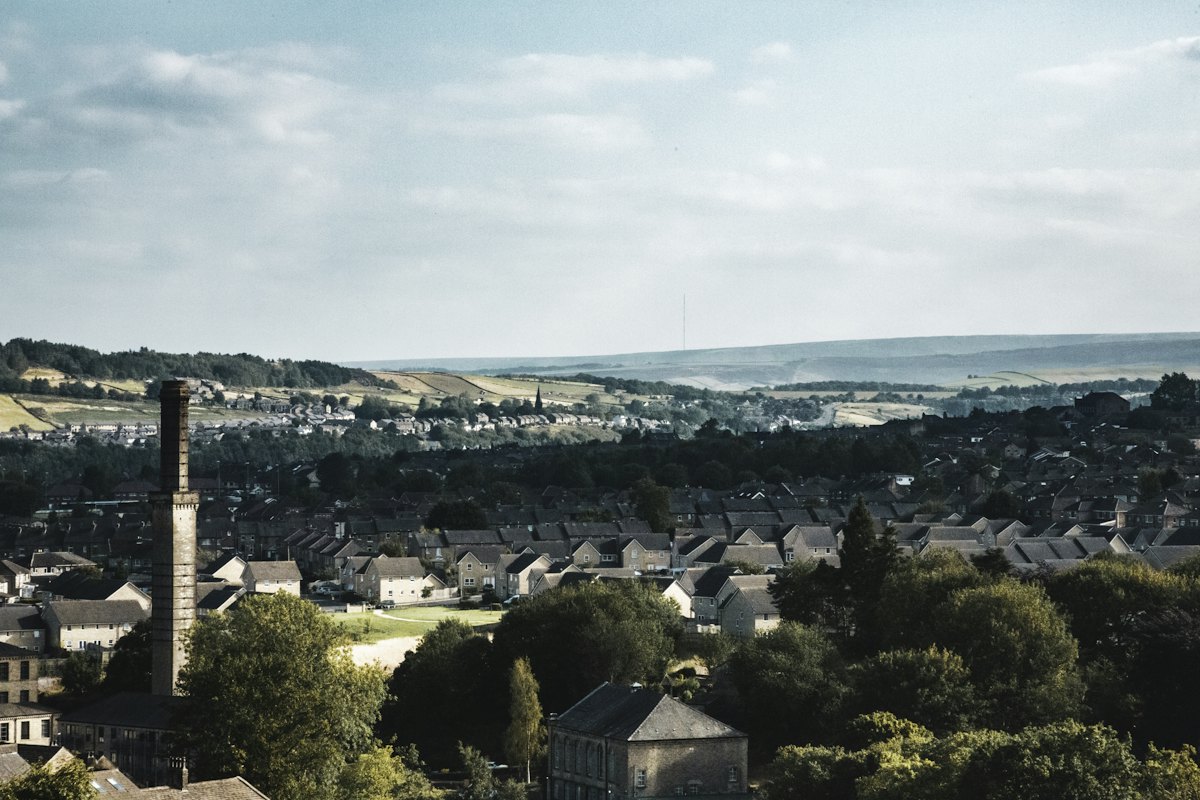
Download speeds are up forty-fold, and the first remote workers are moving in.
For years, residents of Cragmoor joked that the quickest way to send a large file from the village was to drive it to Calder on a memory stick. The joke stopped being funny during the long winter when children tried to do their schoolwork over a connection that averaged 3 megabits per second and dropped out whenever it rained.
This autumn that changed. Cragmoor and seven neighbouring hill villages have been connected to full-fibre broadband, with typical download speeds now measured at around 120 megabits per second – roughly forty times what most households had before. More than 1,100 homes and businesses are able to connect, and over 60 per cent have already signed up. The project, which cost £9.6m, was funded jointly by the regional development fund and a not-for-profit network company set up by the villages themselves after commercial providers repeatedly declined to extend their networks into the hills, citing the cost of reaching scattered farms and steep terrain.
Digging the hard way
Laying fibre in the hills was never going to be easy. The final link between the exchange at Harrow Moor and the furthest village, Upper Tarn, runs for 14 kilometres along moorland tracks, under two streams and across land owned by nine different farmers. Rather than dig a conventional trench, engineers used a small plough that cuts a narrow slot, drops in a protective duct and closes it again in a single pass.
Much of the work was done by volunteers. Under a scheme pioneered in remote communities elsewhere, residents dug the final stretches of trench to their own properties and to neighbours who were unable to do it themselves, cutting costs by an estimated £1.3m. Farmers granted access across their fields for free in exchange for a connection.
“We had a retired headmistress, two teenagers and a sheep farmer digging a trench across the green on a Saturday in March,” said Gwen Aldersley, chair of the Hill Villages Broadband Company. “It was the most sociable thing that has happened in this village in years. People who hadn’t spoken in a decade were sharing a flask.”
Ms Aldersley, a former telecoms engineer who moved to Cragmoor on retirement, spent four years assembling the funding and persuading residents to commit to subscriptions in advance – a condition set by the development fund to show demand was real.
New arrivals, new businesses
The effects are already visible. Estate agents in the area say enquiries from people who work from home have more than doubled since the connection was announced, and at least fourteen households have moved to the villages in the past six months specifically because of the fibre. Several holiday cottages have been converted back into full-time homes. Among the newcomers are Dominik and Arla Penhaligon, a software developer and a translator, who moved from a flat in central Calder to a stone cottage in Upper Tarn in September. “We’d looked at the hills for years but always ruled them out because of the internet,” Mr Penhaligon said. “Now I do video calls with colleagues from a desk that looks out over the moor. My commute is the staircase.”
Existing businesses have benefited too. The village shop in Cragmoor now runs card payments reliably, a small cheesemaker in Harrow Fold has launched an online shop, and the local primary school can stream lessons and video calls without the screen freezing. The GP surgery, which serves all eight villages, has begun offering remote consultations, saving elderly patients a long bus journey.
Not everyone is connected yet
The network does not yet reach everyone. About ninety properties – mostly isolated farms on the far side of the Tarn valley – remain outside the current scheme because the cost per connection was too high. The broadband company is applying for a second round of funding and is testing whether fixed wireless links, beamed from a mast on the village hall roof, could serve those addresses within a year.
Some longer-standing residents also worry about what the newcomers will mean for house prices, which have risen sharply in the past year. A parish council meeting last month heard calls for a share of new homes to be reserved for local families. Ms Aldersley says she understands the concern, but believes the villages had little choice. “Without this, the school would have shut within ten years,” she said. “Now it has more children on the roll than it’s had since the nineties.”