


Twenty studios now fill the vaults and counting hall of a building closed since 2019.
The brass nameplate is still screwed to the stone beside the door on Exchange Street, and the revolving door still turns, if a little stiffly. But step inside the former Calder and Valley Bank, closed since the spring of 2019, and the counting hall that once held a row of mahogany tellers’ desks is now a field of easels, drop cloths and half-finished canvases leaning against the marble pillars.
Twenty studios have opened in the building since the end of the summer, let at below-market rents to painters under thirty-five by a charitable trust that took a ten-year lease from the property’s owners. The trust, Open Rooms, raised the money for basic repairs – new wiring, a working lift, heating in the vaults – from a mix of small donations and a grant from the city’s culture fund.
Painting in the strongroom
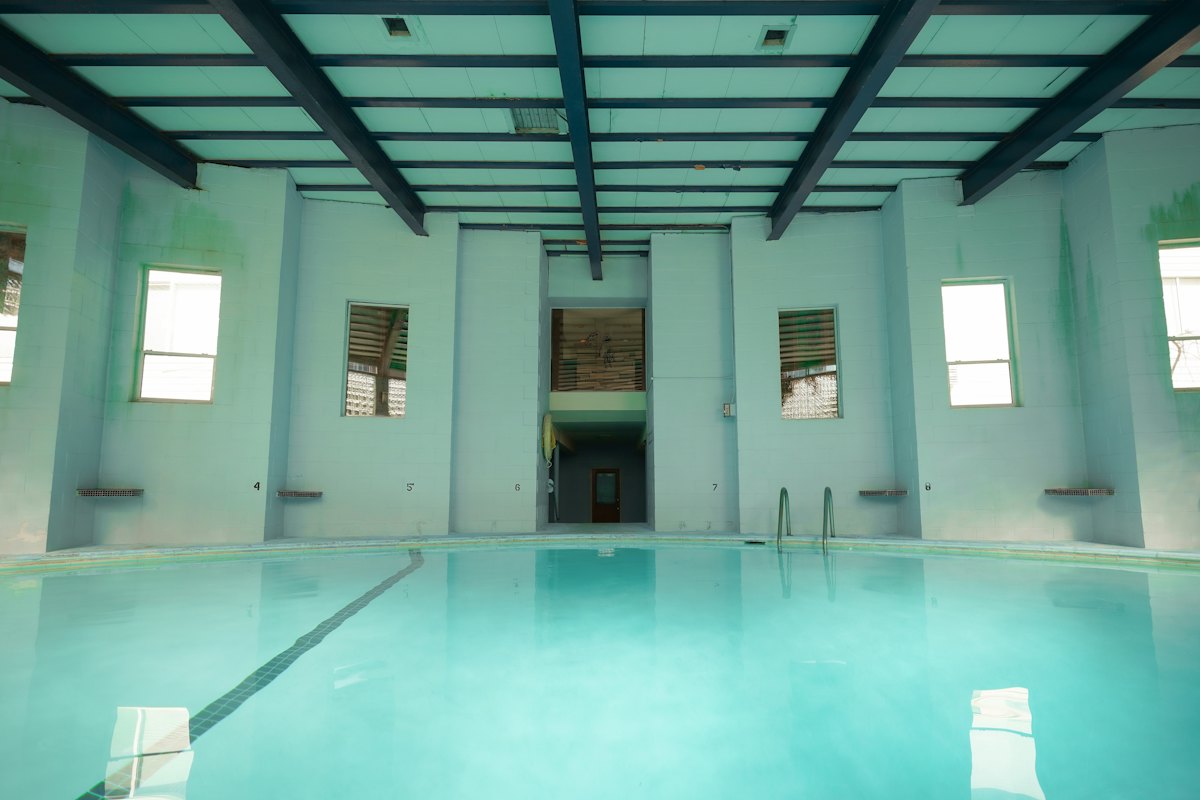
The most coveted spaces are not the bright ones upstairs but the vaults below ground, where safe-deposit boxes once lined the walls. Three painters work down there, under strip lights, behind doors half a metre thick. Mira Castellanos, twenty-seven, paints large, dark seascapes of the headland and says the vault suits her perfectly. “There is no window, no weather, no distraction,” she said. “I bring the sea down here in my head and it stays put.”
Her neighbour in the next vault, Tobias Wren, makes small, intensely coloured paintings of the city’s bus shelters at night. He had been working in his parents’ garage in Ardle and travelling to the city two days a week to wait tables. The studio costs him £85 a month, about a quarter of what a commercial space would cost, and he now paints five days a week.
“We were not trying to build a gallery. We were trying to stop young painters leaving the city because they cannot find a room with a lock on the door that costs less than their rent.”
So said Alys Penhallow, director of Open Rooms, who led the bid for the building. She spent two years trying to persuade the owners, an investment company that had failed to find a commercial tenant, that a short-term arts use would protect the building rather than devalue it. The company agreed partly because empty buildings attract higher business rates; a charitable tenant qualifies for relief.
An open weekend, and a few objections
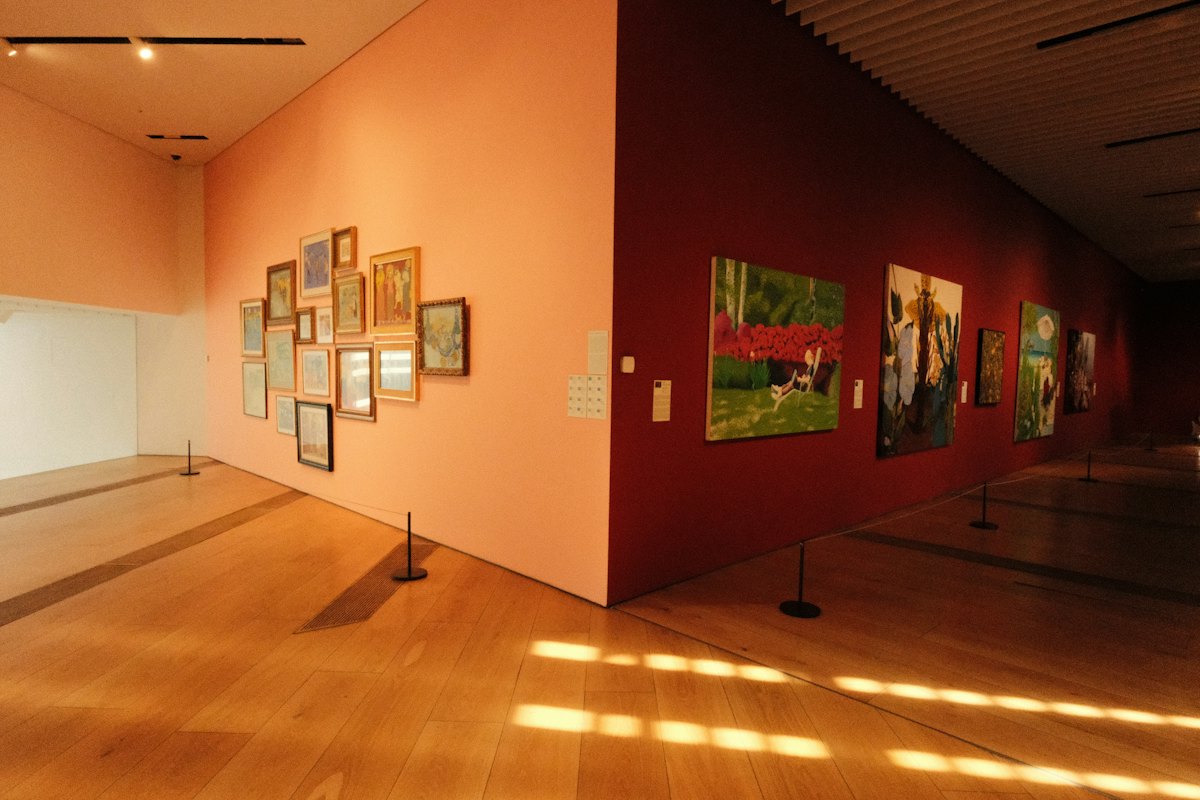
This weekend, the studios open to the public for the first time. Visitors will be able to walk through the counting hall, look into the manager’s office – now shared by two printmakers – and descend to the vaults, where a small exhibition of work made in the building will hang on the steel doors. Entry is free and the bank’s original ledgers, found in a cupboard during the clear-out, will be on display in the lobby.
Not everyone has welcomed the change. A local heritage group raised concerns about paint and solvents near the listed plasterwork in the hall, and the trust has agreed to put protective boards along the lower walls and to ban spray paint indoors. Some neighbours on Exchange Street have complained about noise from late-night working, and the building now closes at eleven.
For the painters, the bigger worry is what happens after ten years. The lease includes a break clause in year seven if the owners find a buyer. Penhallow says the trust is already raising money towards an option to buy, and has asked the city to consider whether the building could be transferred into community ownership.
In the meantime, the counting hall is busy from nine in the morning, the radiators are finally warm, and the old clock above the manager’s door has been wound and set. It runs eleven minutes slow. No one has had the heart to fix it.