




Farmers say the dry summer helped, but storage is now the problem.
The lorries began arriving at the grain terminal in Velsund before first light and were still queuing along the coast road at dusk. In the busiest week of the season, the port handled just over 410,000 tonnes of wheat and barley, according to figures released by the terminal operator on Monday – a weekly record for a harbour that has shipped grain since the days of sail.
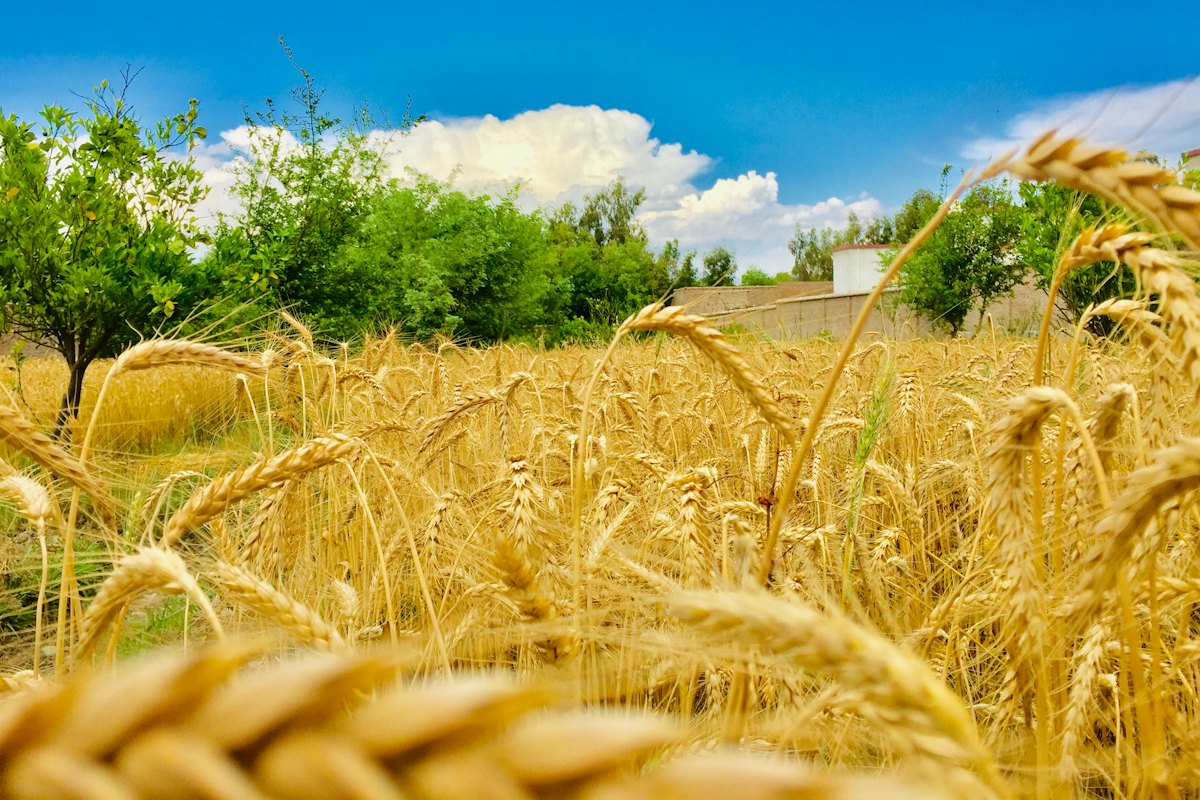
Across the plains of the northern provinces, this year’s harvest is the largest since records began more than sixty years ago. The agriculture ministry in the capital puts total cereal output at 31.6 million tonnes, roughly 14 per cent above the five-year average, with wheat yields in the eastern lowlands topping nine tonnes per hectare on some farms.
The reason, farmers say, is the weather. A wet, mild winter set crops up well, and the long, dry summer that followed – while hard on livestock and orchards – allowed combines into the fields early and kept grain dry enough to need little artificial drying. Disease pressure, which in damp years can strip a fifth off yields, was the lowest many growers could remember.
A good year with a catch
Yet for many on the land, the mood is less celebratory than the figures suggest. The problem is space. Farm silos, cooperative stores and port warehouses filled up weeks earlier than usual, and the queue of grain looking for a home has pushed down the price farmers receive at the gate. Annika Brovald, who farms 640 hectares of wheat and oilseed near the market town of Hollen, said she had never had to turn away her own harvest before.
“We had the best crop of my life sitting in the yard under tarpaulins, because the cooperative store was full and the port could not give us a slot for three weeks. When the price dropped, we sold some of it at a figure that barely covers the diesel. A record harvest is only good news if you can keep it dry.”
Farmers’ unions estimate that between one and 1.5 million tonnes of grain is currently stored in temporary conditions – in sheds, on concrete pads and in a few cases in open heaps covered with sheeting. Rain in the coming weeks could cause mould and sprouting, turning milling wheat into animal feed worth a third less.
Ports working around the clock
At Velsund and the smaller river port of Edrin, operators have moved to 24-hour loading and brought forward maintenance to keep conveyors running. Velsund’s terminal manager, Piet Haldorsen, said vessels were turning round in under two days, compared with three in a normal autumn, but that the bottleneck had moved inland.
“The ships are coming,” he said. “The difficulty is getting enough grain to the quay at the right moment. Rail capacity on the plains line is booked solid until the new year, and every extra lorry means another hour on the coast road.” Freight rail operators say they have added eleven extra grain trains a week since September, but are constrained by a single-track section near the river crossing at Edrin, where works to add a passing loop are not due to finish until the spring.
Calls for more storage
The record harvest has revived a long-running argument over the country’s grain storage. Cooperatives say capacity has barely grown in twenty years even as yields have risen, and want the government to restore a grant scheme for new silos that was scrapped in a round of spending cuts. The agriculture ministry said on Monday it would “review options” and pointed to a temporary relaxation of planning rules allowing farmers to erect grain stores without full permission until the end of March.
Economists caution against reading too much into one season. A dry summer that suited cereals was hard on sugar beet and potatoes, and livestock farmers have spent heavily on feed. If next year’s weather is less kind, the surplus could vanish as quickly as it arrived – and the case for storage, some argue, is precisely to smooth out years like these.
For now, the lorries keep coming. On the coast road outside Velsund on Monday evening, a driver waiting for his slot leaned out of his cab and pointed at the line of tail lights ahead. “Twenty-six,” he said. “I counted. It will be midnight before I tip.”