A late amendment would move money from motorways to branch lines.
The national parliament’s budget committee broke into open disagreement on Wednesday over a late amendment that would move 420 million crowns from the motorway maintenance programme into a new fund for rural branch railways, leaving the government’s spending plans for next year in doubt days before the final vote.
The amendment, tabled late on Monday evening by a cross-party group of deputies from the northern provinces, would create a Rural Rail Fund to reopen or upgrade lines serving towns of fewer than 30,000 people. Its supporters say branch lines have been starved of investment for two decades while motorway budgets have grown. Opponents call it a raid on road safety funding, sprung on the committee without proper scrutiny.
After a session that ran more than six hours, the committee voted 11 to 11 on whether to include the amendment in its recommendation to the full chamber. Under the committee’s rules, a tie means the amendment falls at this stage – but its sponsors can still bring it to the floor next week, where the arithmetic is far less certain.
Lines that time forgot
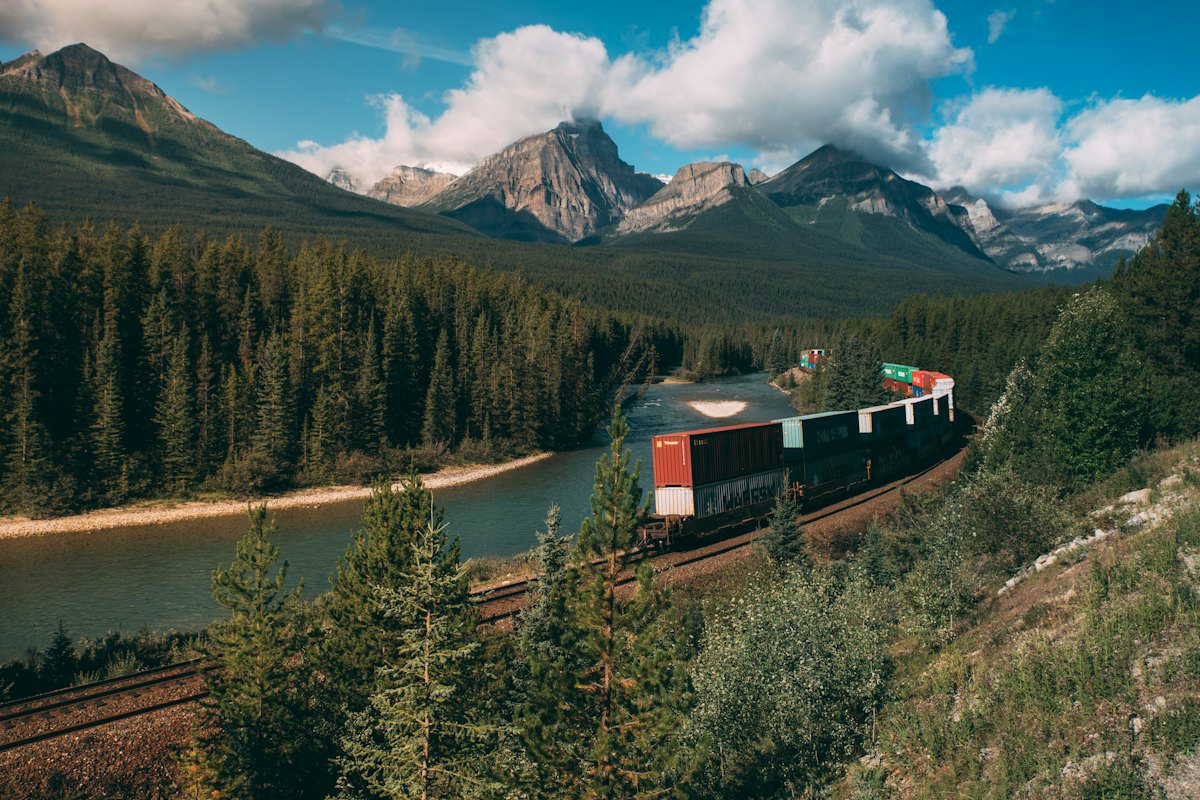
At the heart of the dispute are around 900 kilometres of single-track railway in the northern and eastern provinces, much of it built more than a century ago to carry timber and grain. Passenger services on several of these lines were cut to two or three trains a day in the last decade, and four were suspended entirely after inspections found bridges and sleepers in poor condition. Communities along the northern road, where the nearest motorway junction can be an hour’s drive away, have campaigned for years for their trains to be restored. In the market town of Vellendorf, which lost its last passenger service three winters ago, students now travel two hours by bus to reach the regional college.
“We are not asking for high-speed lines,” said Katarin Holmqvist, the deputy who drafted the amendment. “We are asking for trains that run on time, every hour, to towns that already have stations. That costs less than resurfacing forty kilometres of motorway.”
Ms Holmqvist, who represents a northern district and sits with the agrarian group, said the money would be enough to repair the four suspended lines and lift speed restrictions on at least six more within three years.
The case for the roads
The transport ministry has argued strongly against the change. In a written note circulated to committee members on Tuesday, officials warned that cutting the motorway maintenance programme by nearly a fifth would delay repairs to 37 bridges already rated in poor condition and push back resurfacing work on the busiest freight routes.
Deputy Anselm Rieger, who chairs the committee and belongs to the governing centre-right party, said the amendment was well-intentioned but badly timed. “Nobody in this room is against rural railways,” he told reporters after the vote. “But you do not take money from the bridges that carry forty thousand lorries a day without understanding what happens next. If the sponsors want a rail fund, let them propose new money for it, not money already committed to safety.” Business groups were also divided. The national haulage association warned of longer journey times and higher costs if road repairs slipped. Timber and agricultural producers in the north, who depend on rail freight for bulk loads, quietly lobbied in favour.
A vote with no clear majority
The split cuts across the governing coalition. Two deputies from the junior coalition partner, both representing rural constituencies, voted with the opposition in committee. If their colleagues follow suit in the full chamber, the amendment could pass against the government’s wishes, forcing the finance ministry to redraw its spending plans.
Coalition whips spent Wednesday evening trying to broker a compromise. One option under discussion would create the rail fund at a smaller scale – around 150 million crowns – drawn from an underspent regional development budget rather than from motorway maintenance. Ms Holmqvist said she would consider any offer “that puts trains back on the tracks next year, not in five years’ time”. The full chamber is due to debate the budget next Tuesday, with a final vote expected on Thursday. Until then, officials in both the transport and finance ministries are preparing two versions of next year’s spending plans – one with the rail fund, and one without.