Twenty traders are back on Saturdays after the square reopened.
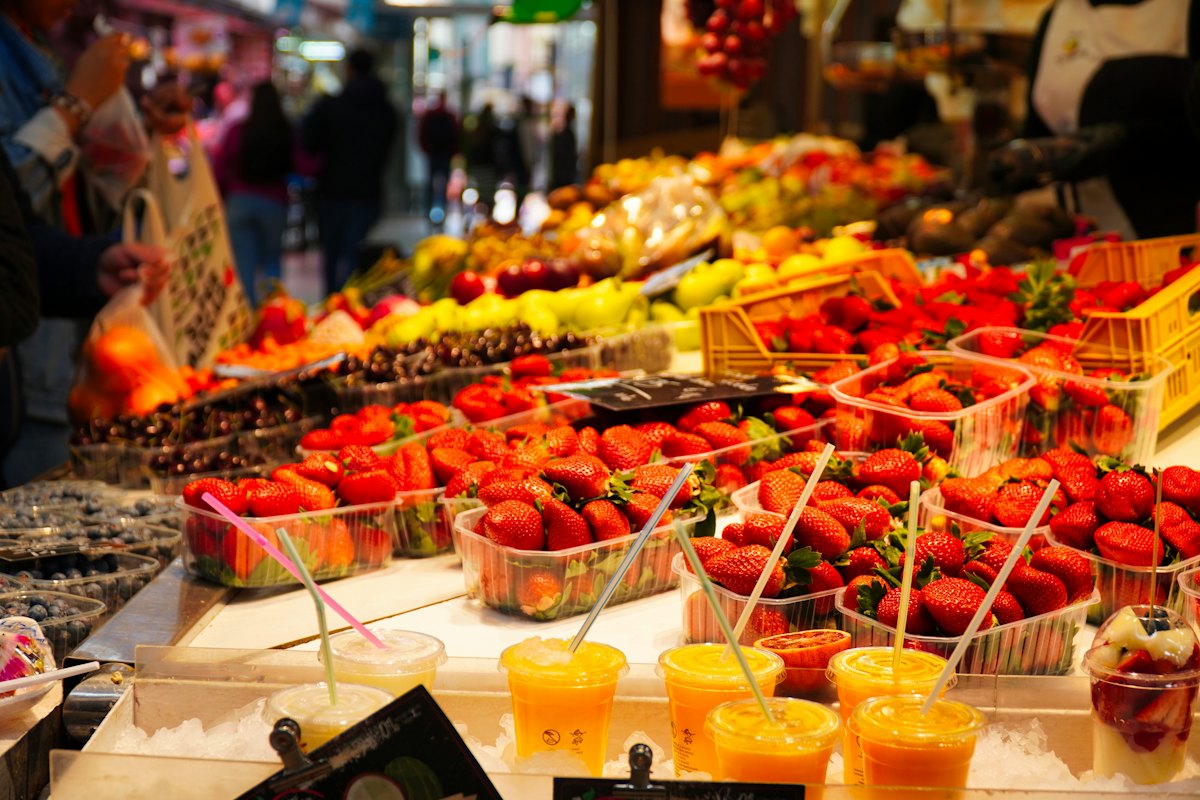
Shortly before eight on Saturday morning, a van reversed carefully between the new granite benches of the Old Square in Calder and a man in a woolly hat began unloading crates of muddy leeks. By nine, nineteen other traders had joined him, and the square – closed for almost two years while it was dug up, drained, repaved and replanted – was once again doing the job it was built for in the fourteenth century: selling food.
The return of the Saturday market was the last piece of the square’s reopening, which City Hall marked with a short ceremony in September. The new layout has twenty pitches, each with its own electricity point and access to a shared water supply, arranged in two rows beneath the plane trees on the north side of the square. The market will run every Saturday from eight until two.
Old faces, new pitches
Fourteen of the twenty traders sold in the square before it closed, and for many of them the past two years have been difficult. During the works, the market was moved to a car park behind the bus station, where footfall fell by more than half and several stallholders gave up altogether. Those who stayed say they lost regular customers who never found the temporary site.
“For two years I was selling cheese next to a row of recycling bins. Today a woman came up and said she’d been looking for me since the square closed. She bought enough for Christmas,” said Agnieszka Lorrimer, who sells cheeses from her family’s dairy farm in the hill towns.
Mrs Lorrimer said the new pitches were smaller than the old ones but better equipped, and that the electricity supply meant she could run a chilled display for the first time instead of relying on ice boxes.
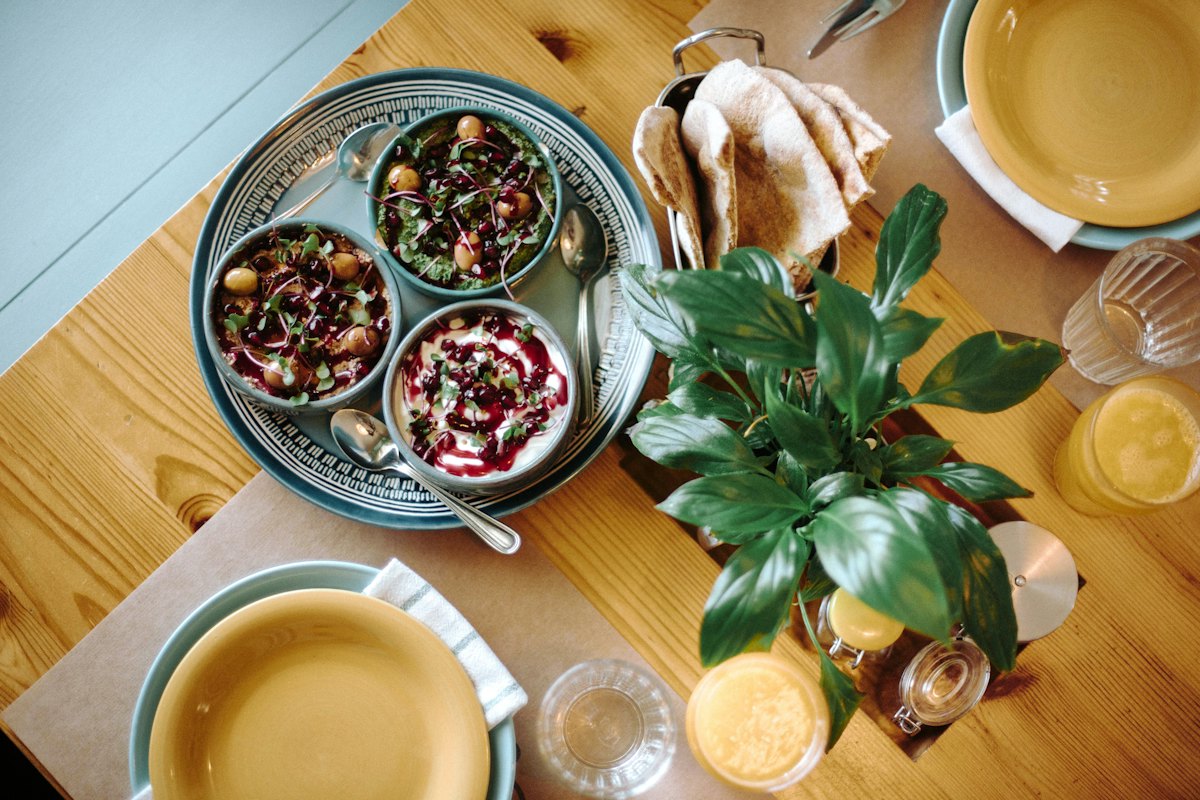
The six newcomers reflect a slightly different market from the one that left. Alongside the fruit and vegetable growers, butchers, bakers and the fishmonger from Port Selwyn, there is now a stall selling fermented vegetables and kimchi made in a unit on the canal, a coffee roaster from Ardle, a seller of heritage apple varieties from an orchard in the valley, and a stall run by a refugee support charity selling flatbreads and dips baked that morning. A mushroom grower from Harrow Moor and a small honey producer complete the line-up.
A recipe from the square
With the market back, several traders have begun handing out simple seasonal recipes using what is on their stalls. Ahmad Rashidi, who bakes the flatbreads, offered this one for a warming lunch built almost entirely from Saturday’s pitches:
- Three medium leeks, washed and sliced
- 250g mixed mushrooms, torn
- Two tablespoons of butter and one of olive oil
- Two cloves of garlic, crushed
- 100g crumbly hill-farm cheese
- Four flatbreads
- A handful of parsley, salt and pepper
Melt the butter with the oil in a wide pan over a medium heat, add the leeks and a pinch of salt and cook gently for ten minutes until soft and sweet. Turn up the heat, add the mushrooms and cook for five minutes until golden, then stir in the garlic for a further minute. Warm the flatbreads in a dry pan or a low oven, pile the leeks and mushrooms on top, crumble over the cheese and finish with parsley and plenty of black pepper. Serves four.
Making it last
City Hall has reduced pitch fees by a third for the first six months to help traders re-establish themselves, and says it will keep the arrangement under review. The council’s markets officer, Teodor Abernethy, said the aim was to build the Saturday market back up to the point where it could support a second weekly market, possibly on Wednesday evenings in summer.
Not every change has been welcomed. Some traders say there is too little space for vans to unload before opening, and the new trees, while attractive, drop leaves onto produce. Residents of the flats above the square’s south side have asked for stricter rules on early-morning noise. Mr Abernethy said a loading schedule would be introduced from next month.
Shoppers on Saturday seemed largely untroubled. By eleven, the bakery stall had sold out, the queue for coffee stretched to the cathedral steps and the leek man was down to his last crate. “It’s the same market,” said one regular, filling a bag with apples. “It just looks like someone finally cared about it.”