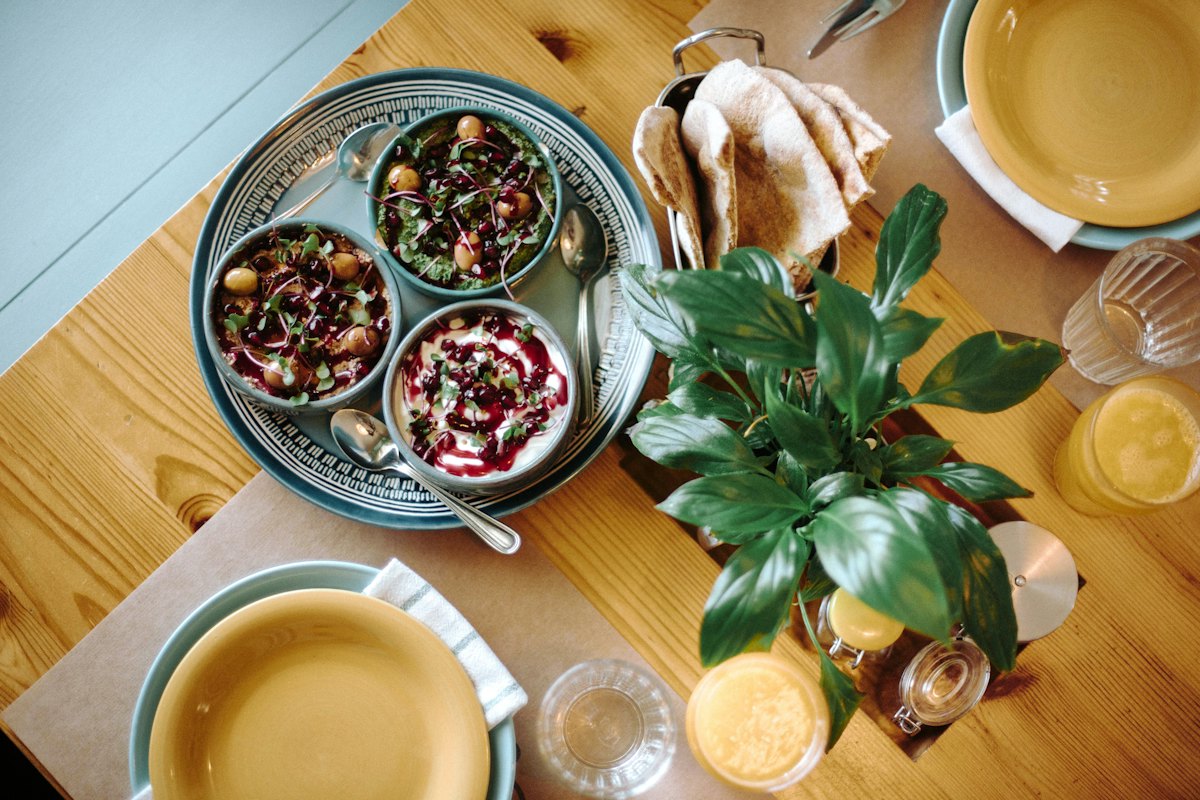





Traders say the earlier start brings a younger crowd.
At half past six on a Thursday, the harbour fish market in Port Selwyn is already loud. Ice is being shovelled onto steel counters, a forklift is reversing with its warning beeper going, and a queue of perhaps forty people stretches from the door of the old auction shed to the edge of the quay. A year ago, at this hour, the shed would have been locked. The public market did not open until eleven, by which time most of the day’s best fish had already been sold to restaurants and wholesalers.
The move to an early start – the doors now open at six on Tuesdays, Thursdays and Saturdays, and close at ten – was made last spring after a vote by the market’s twenty-two stallholders. It was controversial at the time. Several traders worried that their regular customers, many of them retired, would not come at dawn. Instead, footfall has risen by almost half, and the people coming through the door are noticeably younger.
Fresher fish, different customers
The logic was straightforward. Selwyn’s inshore boats land their catch between four and five in the morning. Under the old timetable, fish sat on ice for six hours before the public could buy it, and the most popular species – hake, gurnard, mackerel in season – were often gone by the time the market opened. Opening at six means customers can buy fish that was in the sea the night before.
“We were selling the leftovers and wondering why people preferred the supermarket. Now someone can buy a sea bass that was swimming at midnight, take it home, and have it for breakfast if they want. That sells itself,” said Morwenna Tate, who has run a shellfish stall at the market for nineteen years.
Mrs Tate, who also chairs the stallholders’ association, said the change had brought in customers she had never seen before: nurses coming off night shifts at the hospital, cyclists stopping on early rides along the coast road, parents dropping off children at the breakfast club at the school next to the harbour, and a steady stream of young cooks who discovered the market through photographs shared online.
The market’s own figures, based on card payments, suggest the average age of customers has fallen from the late fifties to the early forties, and that weekday spending has risen by around thirty per cent.
What to buy, and how to cook it
The traders are keen to point out that early opening has also changed what sells. Cheaper, less familiar fish – dab, pouting, grey mullet – are now regularly cleared by nine, partly because stallholders have time to talk customers through them before the rush. Several stalls hand out printed cards with a simple recipe for whatever is plentiful that week. This week’s card from the stall run by brothers Kieran and Owain Pascoe is for whole grilled dab, and it is typical of the approach:
- Two whole dab, about 300g each, gutted and trimmed
- Two tablespoons of olive oil or melted butter
- One lemon, halved
- A small bunch of parsley, finely chopped
- Sea salt and black pepper
Heat the grill to its highest setting and line a tray with foil. Pat the fish dry, score the dark side three times with a sharp knife, then brush both sides with oil and season well. Grill dark side up for four to five minutes, until the flesh at the thickest point turns opaque and lifts easily from the bone; there is no need to turn it. Squeeze over half the lemon, scatter with parsley and serve with the remaining lemon in wedges and buttered bread. Kieran Pascoe says the whole thing takes ten minutes and costs less than a sandwich in the city.
Not everyone is an early riser
The early start has its critics. A handful of older regulars say they have given up on the market, and a petition earlier this year asked for at least one late-morning session each week. Traders say they are considering opening on Saturday until noon in the summer months, though most admit they are tired by ten after starting work at four.
There have been practical teething problems too. Parking on the quay is limited before the harbour office opens, and residents of the terraced streets above the market have complained about car doors and conversation at six in the morning. The harbour authority has since marked out twenty short-stay bays on the old net-drying ground and asked customers to arrive on foot or by bicycle where they can.
For the traders, though, the verdict is clear. Two stalls that had been empty for more than a year have been let since the change, one to a young couple selling smoked fish and the other to a cooperative of crab-boat skippers. The queue at half past six suggests they will not be the last.