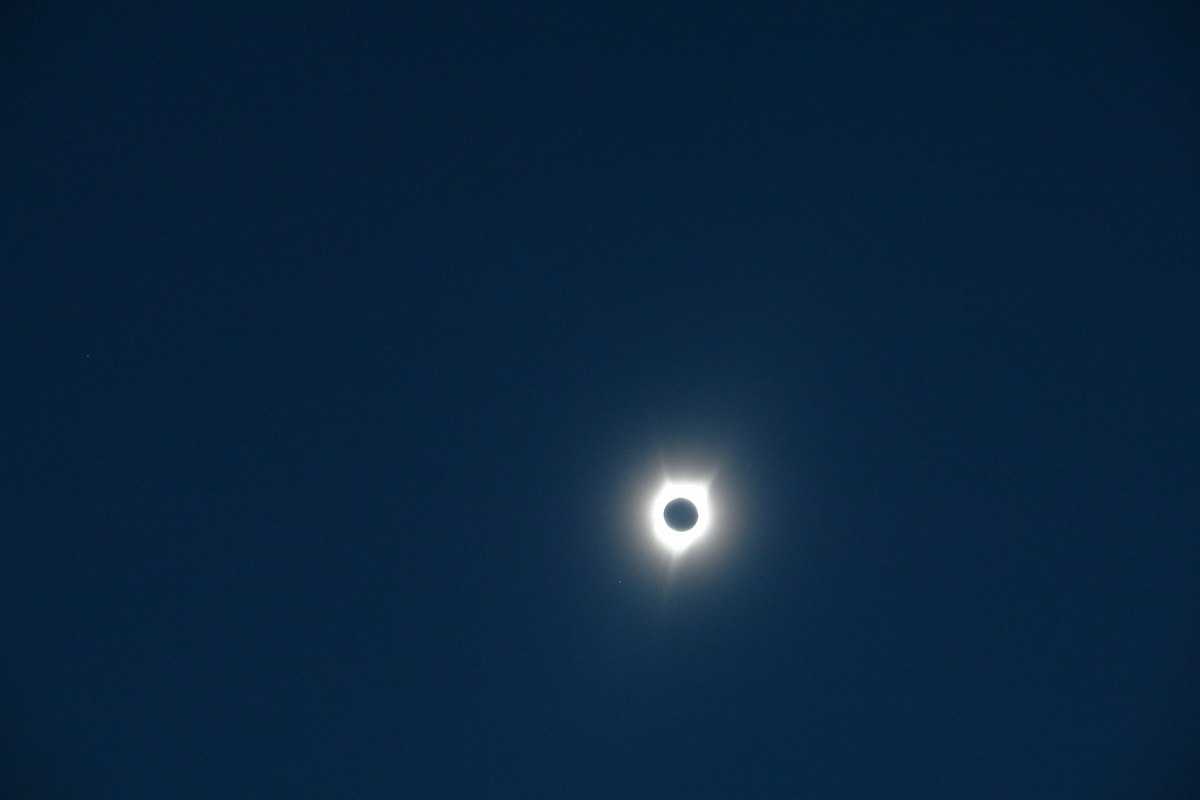
The moor has been named a dark-sky reserve, the first in the region.
On a moonless night in late autumn, from the car park at Harrow Light, the Milky Way is so bright that it casts a faint shadow. Away to the south-west, the sodium glow of Calder sits low on the horizon, but overhead the sky is black enough to show around 2,000 stars to the naked eye – roughly ten times as many as can be seen from the middle of the city. This week, the moor was formally recognised as a dark-sky reserve, the first in the region and one of only a handful in the country.
The designation, awarded by an international body that certifies protected night skies, covers 180 square kilometres of moorland, farmland and scattered villages. It does not create new laws, but it commits the regional authority, two district councils and the parishes inside the boundary to keeping artificial light to a minimum and to monitoring the darkness of the sky over the coming decades.
Measuring the dark
The application was four years in the making. Volunteers from the Harrow Astronomical Society took more than 1,100 readings with handheld sky-quality meters, standing in fields and lay-bys at all hours through every season. The best readings, taken on the plateau near the old quarry, reached 21.8 on the standard scale, comfortably above the threshold required for reserve status. Even in the villages, readings rarely dropped below 21.
The society’s chair, Ellis Montgomery, a retired physics teacher who has observed from the moor since he was a boy, said the measurements were the easy part. Persuading every parish council to adopt a lighting policy, and then persuading farmers, pubs and a caravan park to change their outdoor lights, took far longer.
“Nobody was against the stars. They were against being told what to do with their own porch light. So we offered to swap the bulbs ourselves, and most people said yes.”
Montgomery and a team of volunteers replaced more than 600 outdoor lights over two years, fitting warm-coloured, downward-facing lamps paid for by a grant from the regional nature fund. A farm shop on the Harrow road switched off its illuminated sign at 9pm. The caravan park installed motion sensors. The parish of Harrow Light turned its street lamps to half power after 11pm.
What visitors can see
The best time to visit is between October and March, on nights within a few days of the new moon. In winter, the moor offers clear views of the Orion Nebula, the Andromeda galaxy and, with patience, the zodiacal light rising in the east before dawn. Meteor showers in mid-August and mid-December are particularly fine. Three official observing sites have been marked with low signs and small car parks: the quarry plateau, the lay-by below Harrow Light and the field behind the chapel at Moorside.
Visitors are asked to arrive before full darkness, use red torches rather than white, and avoid switching on headlights unnecessarily. Allow twenty minutes for eyes to adjust. The society runs free public observing evenings on the first Saturday of every month from November to March, with telescopes and hot drinks provided.
Why it matters beyond astronomy
Ecologists say the benefits extend far beyond stargazing. Darkness matters to moths, bats, nesting birds and the barn owls that hunt along the moor’s edge. Dr Saoirse Kinnear, an ecologist who surveyed insect numbers for the application, said moth counts near the retrofitted lights had risen noticeably in two seasons.
Local businesses hope for a boost in winter tourism, when the moor’s pubs and guesthouses are often half-empty. A guesthouse at Moorside has already begun offering stargazing weekends with blankets and a borrowed telescope. The challenge now, Montgomery said, will be keeping the sky dark as new houses and roads are planned on the moor’s edge. The reserve is reviewed every five years, and it can be lost.