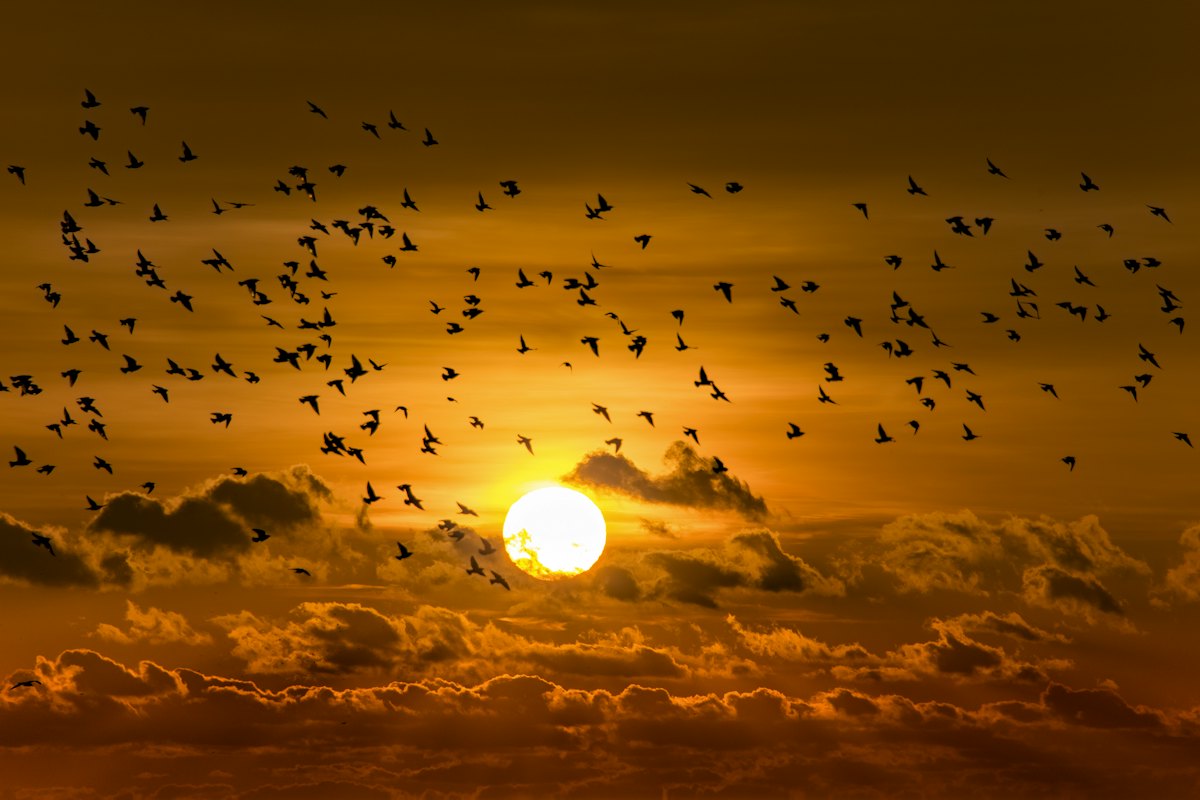
Restored mudflats are drawing species not seen here in thirty years.
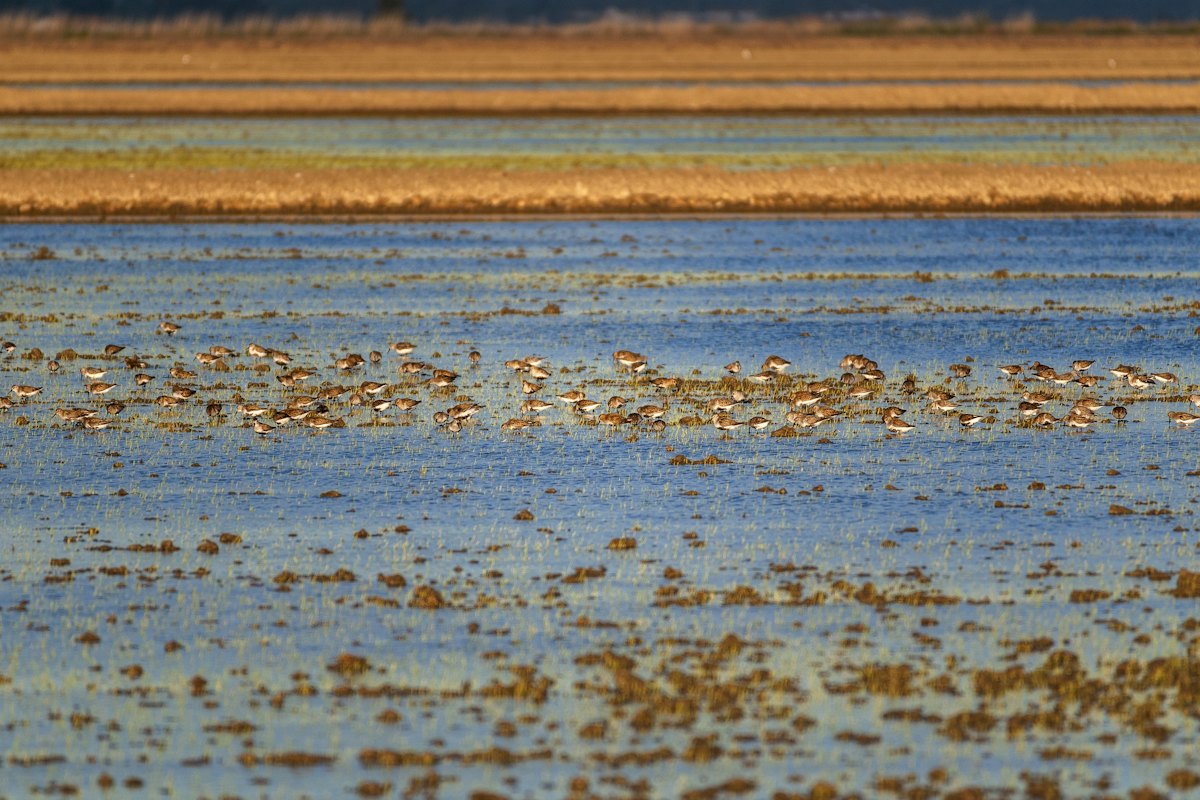
Standing on the sea wall at Selwyn Sands at low tide, Corin Abernethy lifts his binoculars and starts counting. Within ten minutes he has logged more than 600 dunlin, a flock of bar-tailed godwits, several hundred redshank and, picking its way through the shallows with its long upturned bill, a single avocet. “Thirty years ago,” he says, “you would not have seen one of those here in a lifetime.”
Abernethy, a volunteer warden who has surveyed birds on the estuary since the 1980s, is one of the people behind a new report showing that the restoration of tidal mudflats on the edge of Selwyn Bay is drawing wading birds back in numbers not recorded for a generation. Five species absent from the site for at least three decades have been seen there in the past two winters.
The restoration project, led by the Ardle Estuary Trust with funding from the regional environment agency, began six years ago, when a section of the old sea wall protecting 140 hectares of low-lying farmland was deliberately breached. The land had been reclaimed from the sea in the nineteenth century for grazing. Allowing the tide back in has turned it, gradually, into salt marsh and open mud.
How mud comes back to life
Restoring a mudflat is less a matter of construction than of patience. Once the sea wall was opened, each tide carried in fine sediment that settled on the old fields. Within two years, a soft layer of mud several centimetres deep had formed over much of the site, and with it came the burrowing worms, small shellfish and crustaceans on which wading birds feed.
“The birds follow the food, and the food follows the mud,” said Dr Esther Kalinowska, an ecologist at Calder University who has monitored the site since the breach. “When we first sampled the new flats, we found almost nothing. Last winter, we were counting more than 3,000 worms per square metre in places. That is a table set for a feast.”
Dr Kalinowska’s team takes core samples from the mud every spring and autumn. Their data show that the density of invertebrates on the restored flats now matches that on the long-established mudflats further out in the bay, a point many ecologists expected to take at least a decade to reach.
The returning species
The survey, compiled from monthly counts by a team of 24 volunteers, recorded an average of 11,400 wading birds on the restored area during last winter’s high-tide roosts, compared with fewer than 500 before the breach. Among the returning species are avocet, grey plover, black-tailed godwit, knot and spotted redshank. Three pairs of avocets also attempted to nest on a shingle island created within the site, the first breeding record for the estuary.
The flats have also become an important refuge at high tide, when birds that feed across the wider bay need a safe place to rest. Because the restored area is fenced off and closed to dogs and walkers, birds are disturbed far less often than on the open beaches nearby.
Not everyone welcomed the project at the start. Some farmers objected to the loss of grazing land, and residents of Port Selwyn worried that letting the sea back in would increase flood risk. In practice, the trust says, the opposite has happened: the new salt marsh absorbs wave energy and acts as a natural buffer, and a new, lower wall built further inland is cheaper to maintain than the old one. Abernethy remembers the arguments well. “There were meetings in the village hall where people were furious,” he says. “Now some of the same people come out with us on the count.”
Watching from the wall
The trust has built two viewing hides along the inland wall, reached by a footpath from the car park at Selwyn Sands. The best time to visit is around two hours either side of high tide, when birds are pushed close to the hides. Guided walks run on the first Sunday of each month through the winter. A second breach, opening a further 90 hectares to the north, is planned for the autumn after next, subject to a final consultation in the spring. If it goes ahead, the trust believes the estuary could become one of the most important wintering sites for waders on the whole coast.