
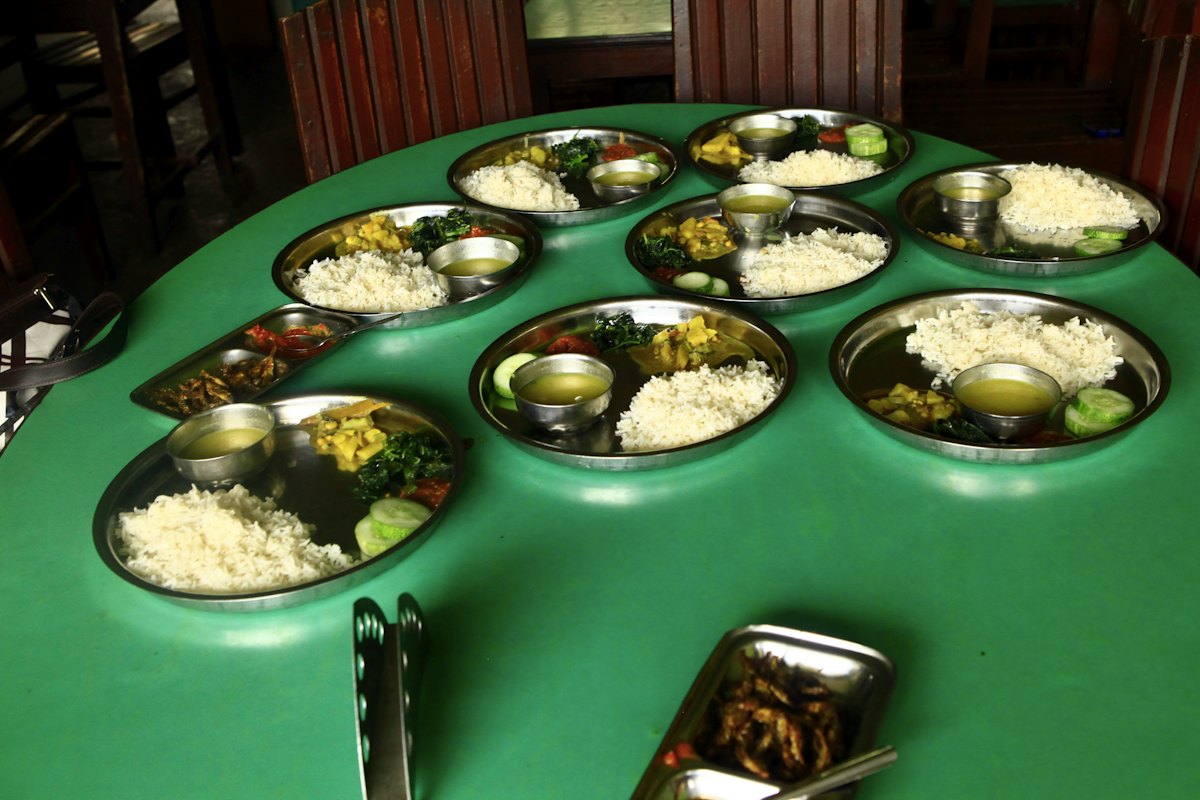
One shared plot and a borrowed oven now feed twenty households a week.
On Thursday afternoons, the smell of roasting squash drifts down Linden Terrace from a kitchen that, strictly speaking, does not belong to anyone. The oven is borrowed from the community hall at the end of the street. The vegetables come from a single allotment plot by the railway embankment. The cooks are whoever turns up. And by six o’clock, around twenty households on the terrace will have a hot meal on the table that cost them nothing.
The Linden Terrace Allotment Kitchen began two years ago, when retired postman Hector Quayle took on a neglected plot on the Ardle Road allotments and found he had grown far more than he could eat. He started leaving bags of courgettes on neighbours’ doorsteps. When a neighbour asked how to cook them, he invited her round. Within a month, six people were cooking together on Thursday afternoons in the hall kitchen, which the hall committee lets them use for free.
Today the plot is shared by fourteen growers from the street, and the kitchen produces around sixty portions every week – a main dish, bread and a pudding – delivered in reusable tubs to anyone on the terrace who wants one. Older residents, two families with new babies and several people who work long shifts are among the regulars.
Growing for the pot
The allotment is planned with the kitchen in mind. In late winter the growers sit down together with a seed catalogue and the hall’s battered recipe folder and decide what to sow, favouring crops that store well and stretch a long way: squash, potatoes, onions, kale, beans for drying and plenty of herbs.
“We grow what we’ll cook, not what looks nice in a magazine,” said Nkechi Adeyemi-Ross, who coordinates the growing rota. “Nobody needs forty heads of fancy lettuce in one week. What we need is a hundred kilos of squash in the shed in October, because that will feed the street until February.”
Ms Adeyemi-Ross, a hospital pharmacist who joined after moving into the terrace last year, said the plot also feeds the cooks’ sense of ownership. Children from the street help with planting in the spring and harvesting in the autumn, and several now insist on being present when “their” potatoes are dug up.
A Thursday recipe
This week’s dish was a roast squash and white bean bake, the kitchen’s most requested recipe. For a family-sized version serving four to six, the cooks use:
- 1 medium squash (about 1.2kg), peeled, deseeded and cut into 3cm chunks
- 2 red onions, cut into wedges
- 400g cooked white beans, or one drained tin
- a bunch of kale, stalks removed and leaves torn
- 3 cloves of garlic, a few sprigs of sage and 2 tbsp olive oil
- 100g breadcrumbs mixed with 50g grated hard cheese
Heat the oven to 200C. Toss the squash and onion with the oil, garlic, chopped sage, salt and pepper, and roast in a large dish for 30 minutes until soft and catching at the edges. Stir in the beans and kale with 150ml of hot stock, scatter over the breadcrumb and cheese mix, and return to the oven for 15 minutes until golden on top. Let it stand for five minutes before serving. The cooks say a spoonful of chilli jam on the side, made from the allotment’s chillies, is compulsory.
Keeping it going
Running costs are modest. Seeds, compost and kitchen staples such as oil, flour and spices come to about £60 a week, covered by voluntary contributions in a jar on the hall counter and a small grant from a residents’ fund. Quayle says the kitchen has never had to turn anyone away, though the rota can be stretched in winter when fewer volunteers want to work on the plot.
Other streets have started to take notice. Volunteers from two nearby roads visited last month to see how the system works, and the allotment society has offered a second plot next spring if a group can be found to take it on. Quayle is delighted, if slightly bemused. “I only wanted someone to take the courgettes off my hands,” he said. “Now I’m running a restaurant.”