Kale, chard and cabbage for people who think they do not like them.
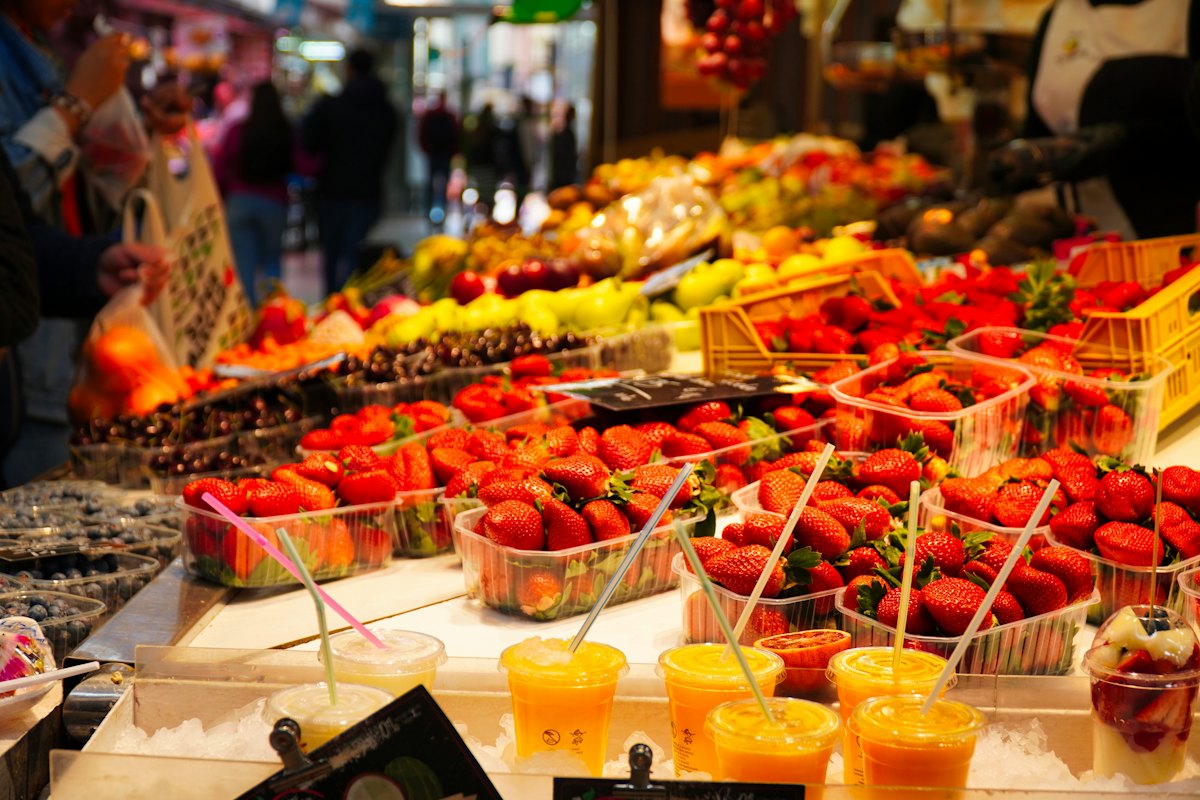
Most people who say they dislike greens have been served them boiled. A pan of water, a lid, ten minutes too long, and kale turns grey, cabbage starts to smell of school corridors and chard collapses into something limp and metallic. Treated with a little more care – heat, fat, salt, something sharp – the same vegetables become some of the best things you can eat in winter. They are also at their cheapest now, piled high on the stalls in the covered market and grown in fields barely ten miles from the city.
Here are three recipes, each taking less than half an hour, each designed to convert a sceptic.
Crisp kale with garlic and lemon
This is the one to start with, because it barely tastes like a vegetable at all. You will need:
- 200g curly or cavolo nero kale
- 3 tbsp olive oil
- 2 garlic cloves, finely sliced
- Half a lemon
- A pinch of chilli flakes and a good pinch of flaky salt
Heat the oven to 180C. Strip the leaves from the stalks and tear them into pieces the size of a playing card. Wash and dry them thoroughly – a salad spinner helps, and any remaining water will steam rather than crisp. Toss with two tablespoons of the oil and the salt, spread over two trays in a single layer and roast for 10 to 12 minutes, turning once, until the edges are crisp but the centres still green. Meanwhile, warm the remaining oil in a small pan, add the garlic and chilli and cook gently until the garlic is pale gold. Pour over the kale, squeeze over the lemon and eat straight away.
Chard and white beans on toast
Chard has two vegetables in one: the soft leaves and the crunchy, colourful stems, which most people throw away. Cut the stems from a bunch of about 300g and slice them thinly; roughly chop the leaves. In a wide frying pan, soften a sliced onion in two tablespoons of butter for eight minutes, then add the stems and a sprig of thyme and cook for five more. Add a drained 400g tin of white beans and 100ml of stock, simmer for three minutes, then stir in the leaves until wilted. Finish with a splash of red wine vinegar and plenty of black pepper. Pile onto thick toast rubbed with garlic and grate a little hard cheese over the top.
“Chard is the vegetable I sell most of to people who swear they will never buy it again. Once they have had the stems fried in butter, they come back every week.”
That is Stan Mortimer, whose family has grown greens on the flat fields beside the River Ardle for three generations and who sells them from a stall near the market’s east entrance. He recommends buying chard with firm, glossy stems and leaves that squeak when you rub them.
Charred cabbage with brown butter
Take half a pointed or Savoy cabbage and cut it into four wedges through the root so they hold together. Heat a heavy pan until very hot, add a little oil and lay the wedges cut side down. Leave them alone for four minutes, until deeply browned, then turn onto the other cut side for another three. Add 50g of butter and let it foam and turn nut-brown, spooning it over the cabbage as it goes. Add a splash of water, cover and cook for three minutes to soften the centres. Serve with the butter spooned over, a handful of toasted hazelnuts and a few drops of cider vinegar.
All three work as a side for roast chicken or sausages, but each is substantial enough to eat on its own. Leftover kale will not stay crisp, so make only what you need; the chard and beans, on the other hand, are even better reheated the next day.