Four trains a day, eleven stations and a guard who knows every passenger.
The 7.12 from Ardle leaves from platform three, which is not really a platform so much as a strip of tarmac with a bench, a lamp post and a timetable that has not changed in six years. There are two carriages. On a damp Tuesday in November, there are also five passengers, a dog, and a guard who greets each of them by name.
The Ardle Valley line runs for forty-three miles from the market town to the coast at Selwyn Point, stopping at eleven stations along the way. It carries four trains a day in each direction, and fewer than 300 passengers on an average weekday. By most measures it is the least-used passenger line in the country. Those who ride it tend to describe it as the best.
Eleven stations, most of them halts
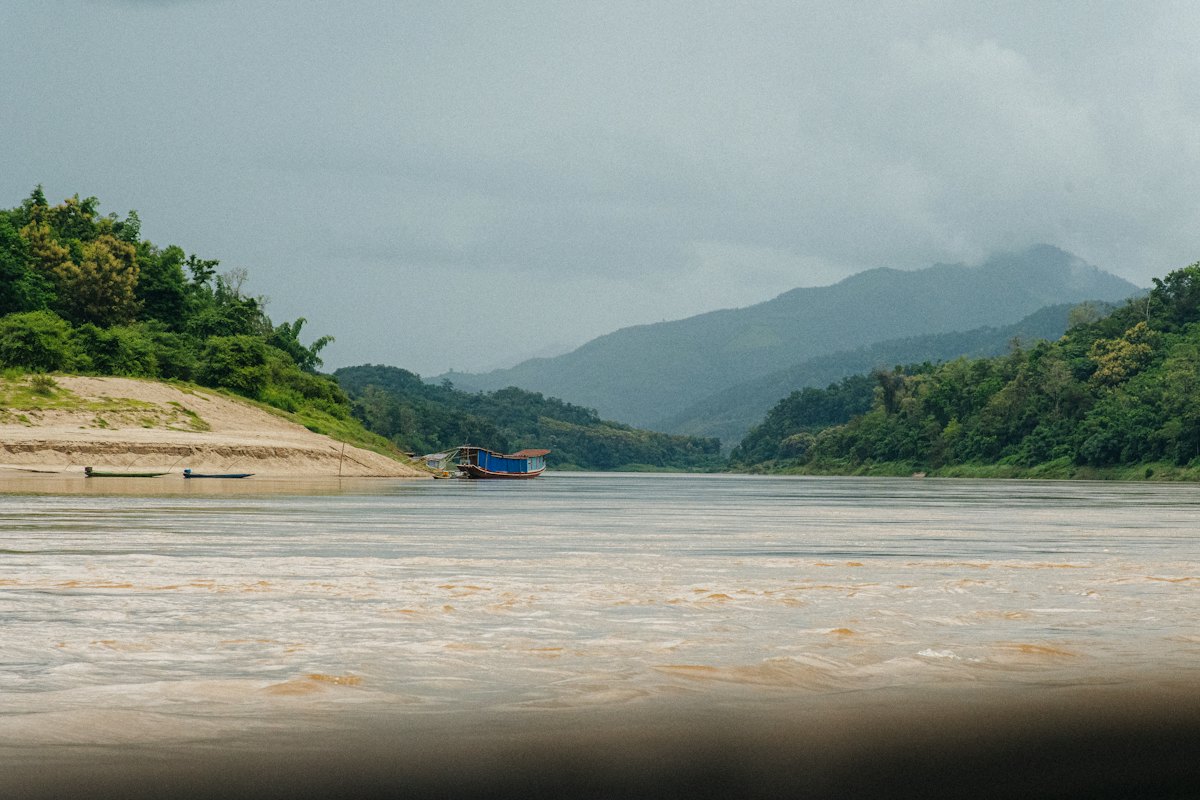
The line follows the river for the first stretch, close enough that you can watch herons standing in the shallows from the window. After Mill End, the third stop, the valley narrows and the train climbs slowly through oak woods towards the hill villages. Four of the stations have no road access at all, only footpaths, and serve a handful of farms and holiday cottages. At Coldharbour, the smallest, passengers must wave to stop the train.
Marjorie Pell, who has been the guard on the morning service for fourteen years, keeps a mental list of who gets on where. She knows which schoolchildren need waking before their stop, which farmer will be carrying a box of eggs for the café at Kestle Cross, and which of the regulars has had a hip operation and will need a hand with the step.
“On a busy line you see faces. Here you see people. I know when someone’s missed a train because they’re ill, and somebody usually knocks on their door to check,” said Pell, as the train paused at Lower Bracken to let a flock of sheep clear the crossing.
Pell is one of three guards who work the line. Between them they cover every service, and they are the only staff passengers will see: none of the stations are manned, and tickets are bought on board.
A line that nearly closed twice
The railway was built in the 1870s to carry slate from the quarries above Kestle Cross to the harbour at Selwyn. The quarries closed in the 1930s, and the line was put forward for closure in the 1960s and again in the early 1990s. Both times it was saved after campaigns by the villages along the route, who argued that for some communities it was the only form of public transport.
That argument still holds. For roughly a third of the passengers on a typical weekday, according to a survey by the line’s users’ group, there is no bus alternative. The users’ group, which has around 450 members, raises money to keep the stations tidy and runs a small heritage display in the old waiting room at Mill End.
Riding to the end of the line
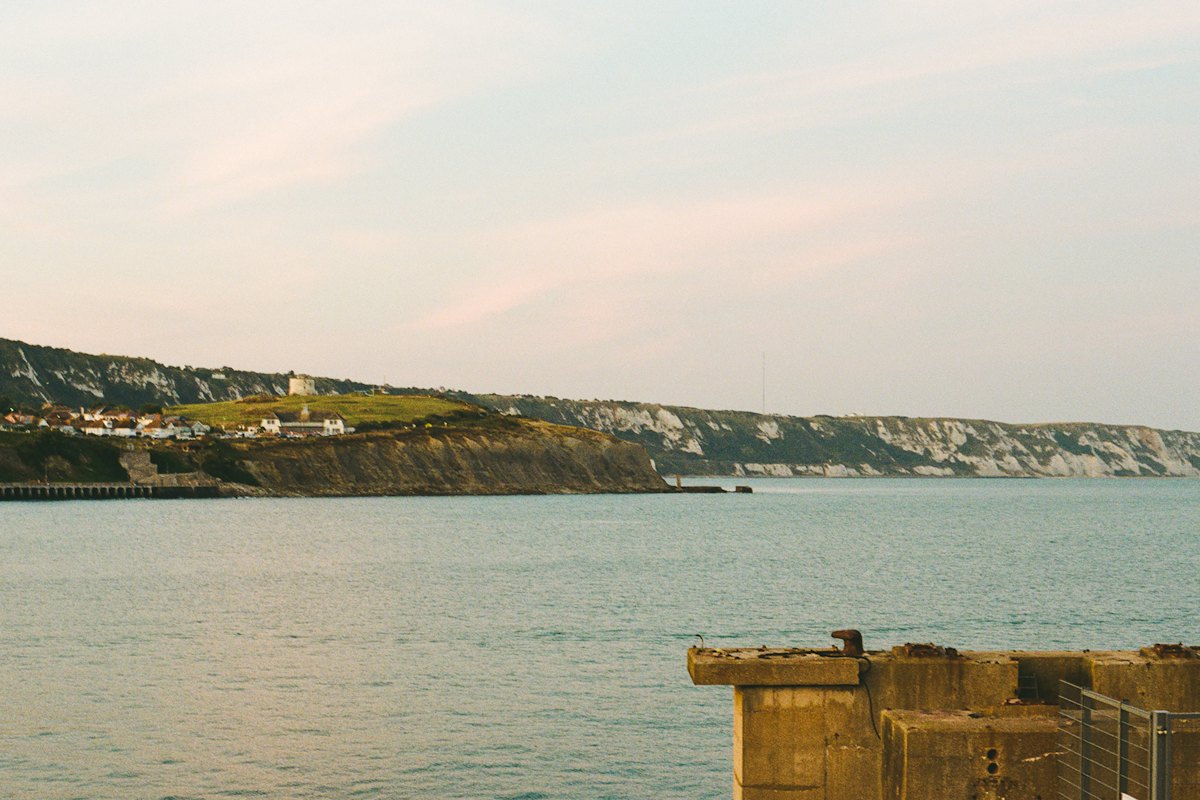
The full journey takes an hour and fifty-eight minutes, which is slow by modern standards but does not feel it. After the summit at Bracken Top, the train descends through a long cutting and the view opens out across the moor to the sea. On a clear morning you can see the lighthouse at Selwyn Point twenty minutes before you reach it.
Visitors are starting to discover the line. Passenger numbers rose by 18 per cent last year, mostly at weekends, as walkers and cyclists used it to reach paths along the valley. The operator has added a cycle space to each train and is considering a fifth daily service on summer Saturdays.
Not all the regulars are pleased by the attention. One woman who travels to the coast every Thursday to visit her sister said she had twice been unable to get her usual seat. Pell, overhearing, promised to save it for her next week.
At Selwyn Point, the train stops at the buffers beside the old slate wharf. The passengers step out into the wind, the guard swaps ends, and twenty minutes later the 9.25 heads back up the valley, empty but for a couple of walkers and a box of fish bound for the café at Kestle Cross.