Thirty-one years on the same crossing, and still no two the same.
At 6.50 on a grey Tuesday morning, Captain Moira Tregarthen is standing on the bridge wing of the Selwyn Maid with a mug of tea in one hand, watching the car deck fill below her. She does not need the passenger list. “That’s Derek, he’s late, he’s always late. That’s the Pascoe twins going to college. The blue van is Annie with the fish.” She raises her mug to each of them in turn, and most of them wave back.
Tregarthen has been sailing the crossing between Port Selwyn and the Calder side of the estuary for thirty-one years: first as a deckhand at nineteen, then as mate, and for the past eighteen years as master. The trip takes 22 minutes in fair weather and closer to forty when the wind is against the tide. She estimates she has made it about 70,000 times.
The same water, never the same trip
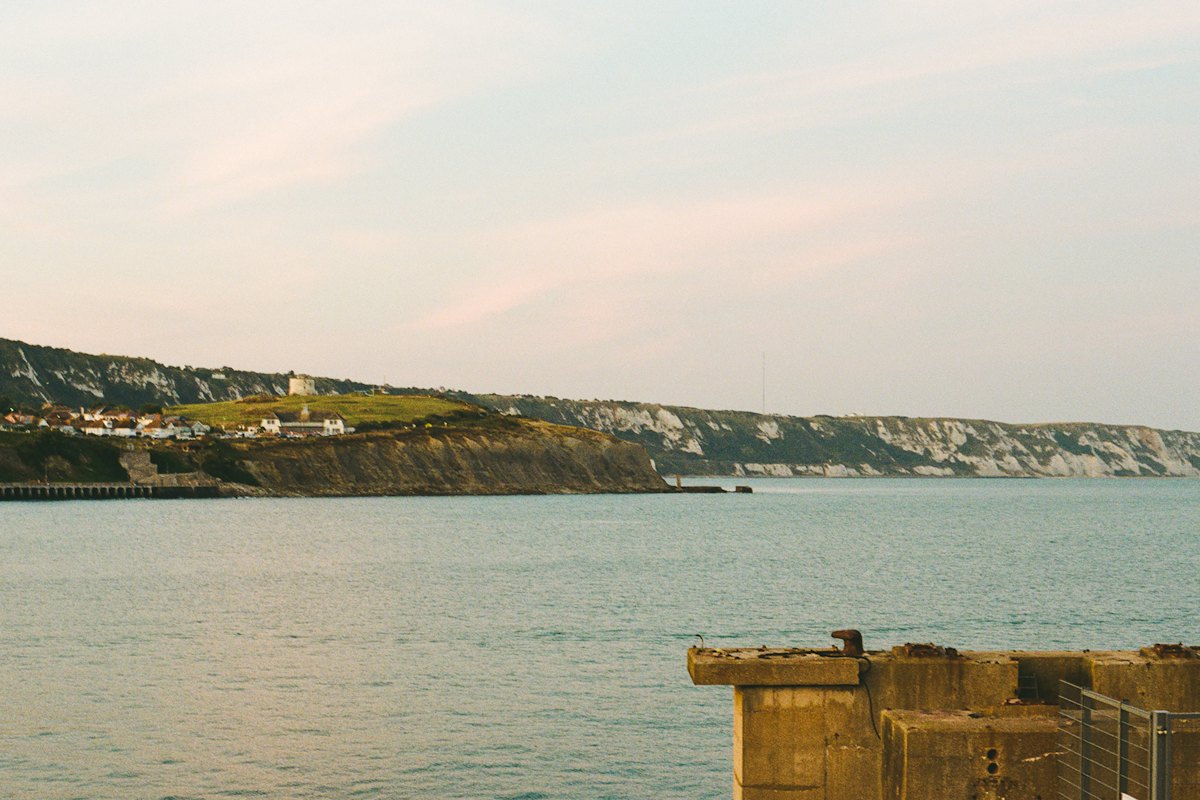
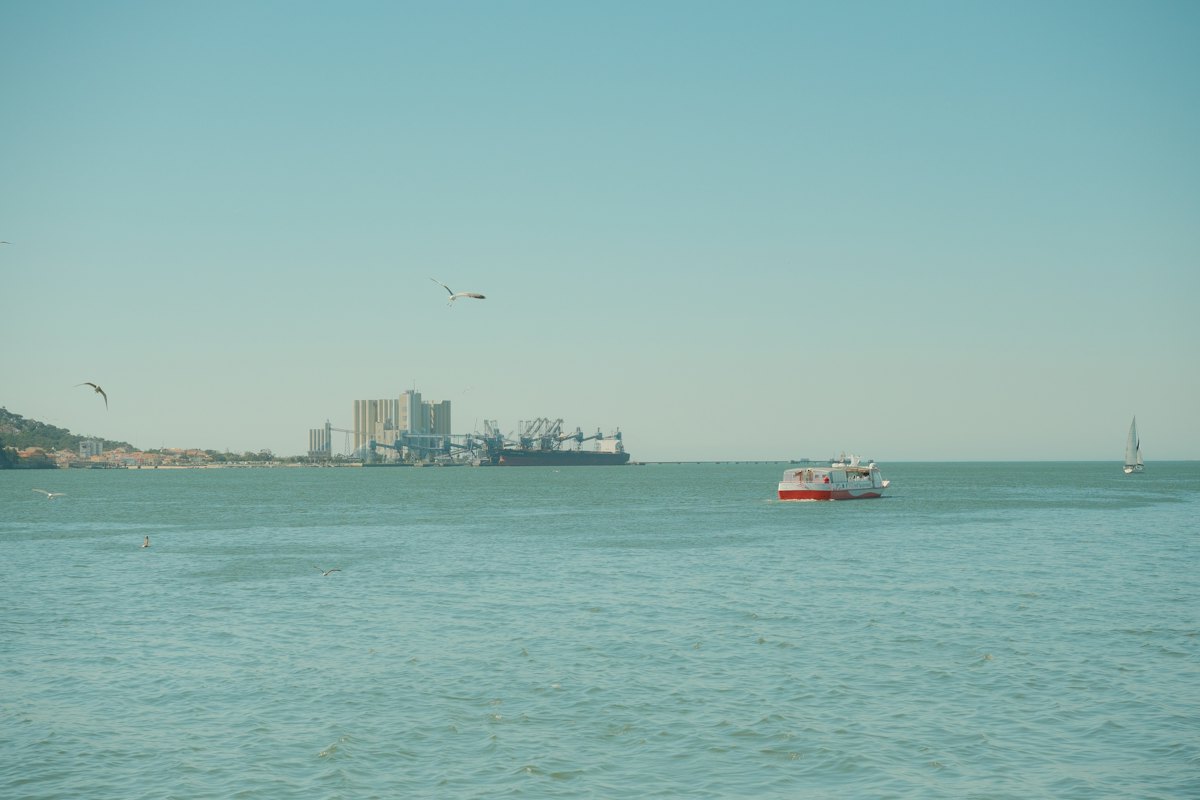
To a passenger, the crossing can look identical every time: the slipway, the channel marker, the long line of the headland, the cranes at Calder docks. To Tregarthen, no two trips have ever been alike. The tide runs hard through the narrows, the sandbanks shift after every big storm, and in autumn fog can fall across the estuary in minutes. She has learned to read the water by the colour, the way the gulls sit, the angle of the moored boats at Selwyn quay.
“People ask if I get bored. I tell them I have never once been bored on this water. Frightened a few times, cold a lot, but bored? Not once.”
Tregarthen, the Selwyn Maid’s master, says it with a grin. The worst night she remembers was a January gale fourteen years ago, when the ferry was caught mid-channel by a squall that tore the canopy from the passenger deck. She turned the vessel into the wind and held her there for nearly an hour until it eased, with eleven cars and thirty-two passengers aboard. Nobody was hurt. Several of those passengers still travel with her and still bring it up.
A village that floats
What strikes anyone who rides the early boats is how much the ferry functions as a community. Regulars have their own spots on the passenger deck. A group of retired dockers plays cards on the 10.15 every Thursday. Children who crossed with their parents on the way to primary school now cross with their own children. When a long-standing passenger died last winter, the crew flew the ensign at half-mast for the day of the funeral and Tregarthen sounded the horn three times as they passed the churchyard on the Selwyn shore.
Ben Achterberg, the ferry’s engineer for the past nine years, says the captain’s memory for people is uncanny. “She will remember that someone’s daughter had an exam in June and ask how it went in September,” he said. “Half the town thinks of her as a sort of aunt.”
The job has changed around her. Tickets are now bought on phones, the old ferry was replaced by a hybrid vessel six years ago, and the crew has shrunk from six to four. Tregarthen welcomed the quieter engines – “you can hear the curlews now” – but worries about the long-term future of the route, which is subsidised by the regional transport authority and has been reviewed twice in the past decade.
She has no plans to retire, although she will be sixty next year. When pressed, she concedes that she might one day hand over the wheel, but only to someone who has learned the estuary properly, the slow way. “You can’t learn this water from a screen,” she said, nodding at the chart plotter. “You learn it by being wrong about it, and being lucky the first few times.”
The ramp clanks down at Calder at 7.12. Derek, still late, is first off.