Our writers choose the places that are best when everyone else has gone home.
There is a moment, usually in the second week of October, when the region exhales. The last coach tour leaves Port Selwyn, the ice-cream kiosks on the headland pull down their shutters and the car parks at the foot of Harrow Moor are suddenly, gloriously empty. Prices fall, tables become easier to book and the people who run the cafés, inns and boat yards finally have time to talk. We asked our writers to name the places they love most once the crowds have gone.
Coast and headland
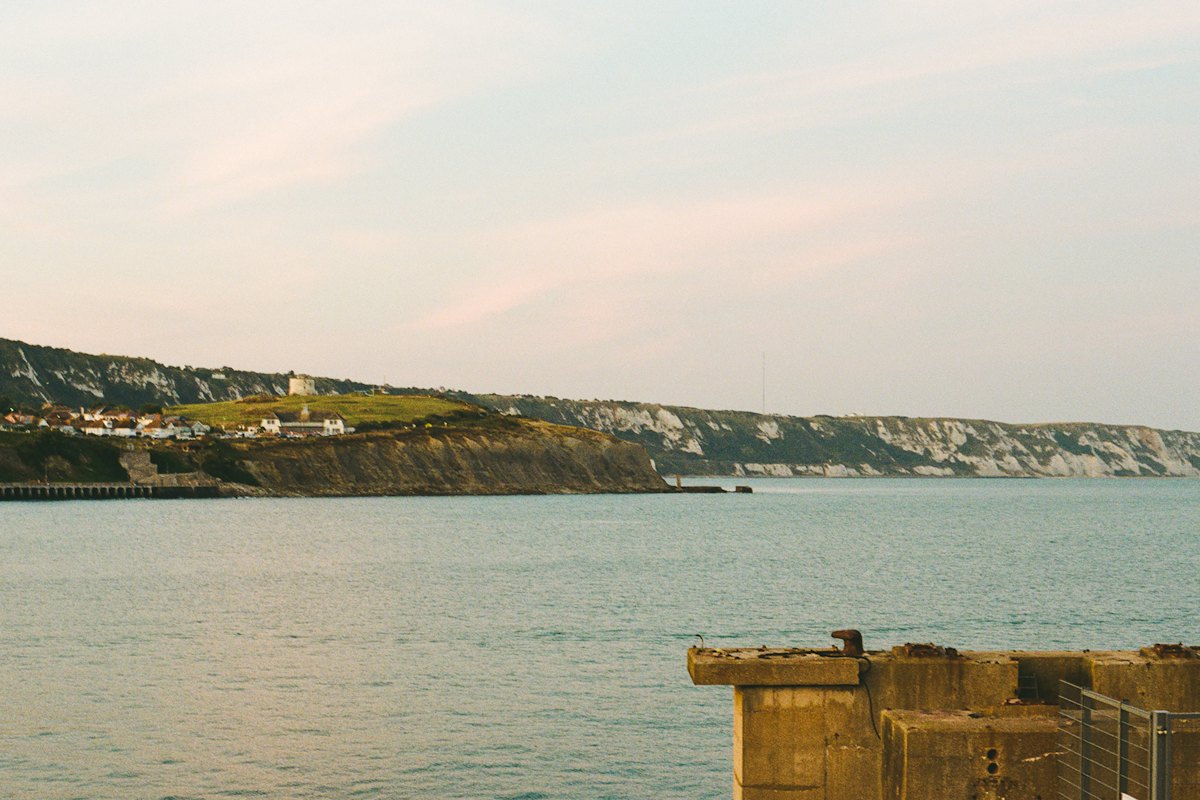
Port Selwyn in November is a different town from the one that heaves with day-trippers in August. The fish market on the harbour wall still runs on weekday mornings, and the boats unload at about half past six, which is worth getting up for. The seafront hotels drop their rates by as much as half, and several of the better ones offer a winter deal that includes dinner. Walk the coast path out to Selwyn Point in the afternoon, when the light goes amber and the grey seals haul out on the rocks below the lighthouse, and come back to the Anchor for a pint by the fire.
Further along, the headland itself is at its wildest in winter. The lighthouse keepers’ cottages at Harrow Light are rented out by a small trust and are usually booked solid from May to September. Between November and March they are often available at short notice, and there are few better places to watch a storm come in from the sea.
“Summer visitors see the headland as a viewpoint,” said Morwenna Tasker, who has managed the cottages for the trust for twelve years. “Winter visitors see it as a place. You get the gannets, the big skies, the waves coming over the breakwater. And you get it to yourself.”
Hills, moors and the valley
Inland, Harrow Moor is perhaps the quiet season’s greatest gift. The heather has faded to rust, the paths are firmer after the first frosts and the bracken has died back, opening views that are hidden all summer. The circular walk from Kettlewell Bridge to the cairn on Black Fell and back takes about four hours and passes the ruins of the old lead workings. Stop at the farm café at Moorside on the way down; it stays open at weekends through the winter and makes its own black pudding.
The hill towns, too, come into their own once the coaches stop. Lantern Hill’s Thursday market is smaller in winter but far more local, and its two pubs serve food without the need for a booking. In Askew the twelfth-century church is open every day, and the churchwarden is usually around to explain the wall paintings that were uncovered under limewash during repairs a few years ago.
The Ardle valley is lovely in late autumn, when the beech woods above Ardle Bank turn copper and the river runs high and fast. The riverside path from Ardle town to Strake makes an easy half-day walk, ending at the Wheel inn, and the small station gallery in Ardle has been drawing visitors from all over the region this season.
Calder, without the queues
The city never really empties, but it does relax. The old town’s narrow lanes are easier to wander in winter, and the museums on Castle Hill hold their best exhibitions between November and February, when they have the rooms to themselves. Book a canal boat trip from the basin by the cathedral: in summer they sell out by mid-morning, but in the quiet season you can often turn up and step aboard. Ask the skipper about the old warehouse cranes; most of them will talk for an hour.
Finally, a word on timing. Some attractions close completely in the depths of winter, and a few small cafés and guesthouses take their own holidays in January. Phone ahead, especially for anything on the coast. Pack for rain, wind and short days – sunset can come before half past four in December. But accept those limits and the region repays you with a version of itself that most visitors never see: slower, cheaper, kinder and, for a few precious months, almost entirely yours.