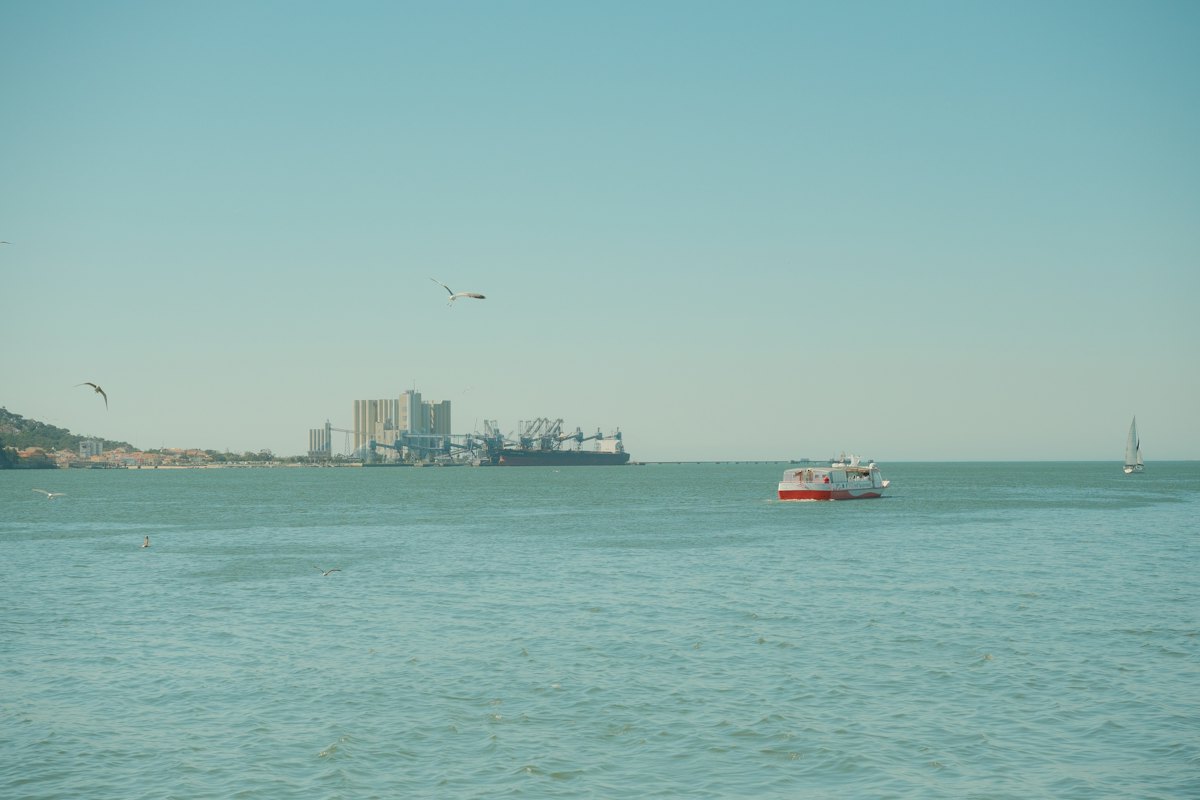
Quiet quays, open fires and fish fresh from the morning boats.
Summer belongs to the beaches. Winter, on this stretch of coast, belongs to the harbours. When the visitors have gone and the ice-cream kiosks are shuttered, the small ports along the headland return to the people who work in them: the fishermen landing their catch before dawn, the pub landlords stoking fires by mid-afternoon, the dog walkers leaning into the wind on the harbour wall. It is the best time to visit, provided you pack a proper coat.
We spent a week moving between three of them, travelling by bus and on foot. Each is less than ninety minutes from Calder by public transport, and each offers something a little different.
Port Selwyn: the working harbour
The largest of the three, Port Selwyn is still very much a working port, and that is its charm. Arrive early – before seven – and you can watch the inshore boats come in and unload crab, lobster and whatever the nets have found at the fish market on the north quay. Several stalls sell direct to the public from about half past seven, and the hake and gurnard we bought went straight to the kitchen of our guesthouse, whose owner cooked it for breakfast without being asked twice.
The old town climbs steeply from the quay, with narrow lanes of painted cottages and a chapel turned bookshop that is worth an hour of anyone’s time. For lunch, the Net Loft above the harbourmaster’s office serves fish soup with saffron and thick bread for about £9. In the evening, the Anchor on the south quay has a fire big enough to roast an ox and a landlady, Bronagh Teague, who knows the name of every boat in the harbour.
“People think winter is the dead season, but it’s our best,” said Bronagh Teague, who has run the Anchor for nineteen years. “The boats are working, the fish is at its finest, and you can get a seat by the fire. In August you’d be lucky to get through the door.”
Harrow Light: the lighthouse village
Thirty minutes north along the coast road, Harrow Light is barely a village at all: a curved stone quay, a dozen houses, a chapel and the white lighthouse that gives it its name. The harbour shelters three boats, all of which still go out for crab and mackerel when the weather allows.
The lighthouse itself is closed in winter, but the cliff path that runs beyond it is open and spectacular, with seals often visible on the rocks below at low tide. The walk to the headland and back takes about two hours. Afterwards, the single pub, the Keeper’s Rest, serves smoked mackerel pâté with oatcakes and a dark local ale beside a fire that has, according to the barman, not been allowed to go out since October. Accommodation is limited to a handful of cottages and two rooms above the pub, so book ahead even in midwinter. The bus from Calder runs four times a day; the last one back leaves at ten past five.
Ardle Mouth: the quiet one
Where the River Ardle meets the sea, the tiny harbour of Ardle Mouth is the most peaceful of the three. There is no fish market here, but there is a smokehouse run by the Varga family, who have been curing fish over oak in the same brick shed for three generations. Their kippers, sold wrapped in paper from a hatch in the wall every morning except Sunday, are exceptional.
The estuary is a magnet for birdwatchers in winter, with curlew, redshank and large flocks of geese on the mudflats. A boardwalk runs for a mile along the edge of the salt marsh, and the small café at its end – really a converted fishing hut – serves crab sandwiches until it runs out, usually around one o’clock.
Stay at the Old Customs House, a five-room guesthouse on the quay, where rooms with a sea view cost from about £85 a night including breakfast. The owners will lend you binoculars, wellingtons and, on the worst days, a waterproof. All three harbours are reachable without a car, and in winter the buses are rarely crowded. Bring layers, bring cash for the fish stalls and the smokehouse hatch, and expect to come home smelling faintly of woodsmoke. That, more or less, is the point.