Dinner in the buffet car, a narrow bunk and a sunrise over the estuary.
The sleeper leaves Calder Central at 9.52pm, though it is worth arriving early. The train is already at platform two by nine, its long blue carriages humming quietly, and the attendants stand at the doors with clipboards, ticking off names and pointing passengers towards their berths with the unhurried manner of people who know nobody is going anywhere fast tonight.
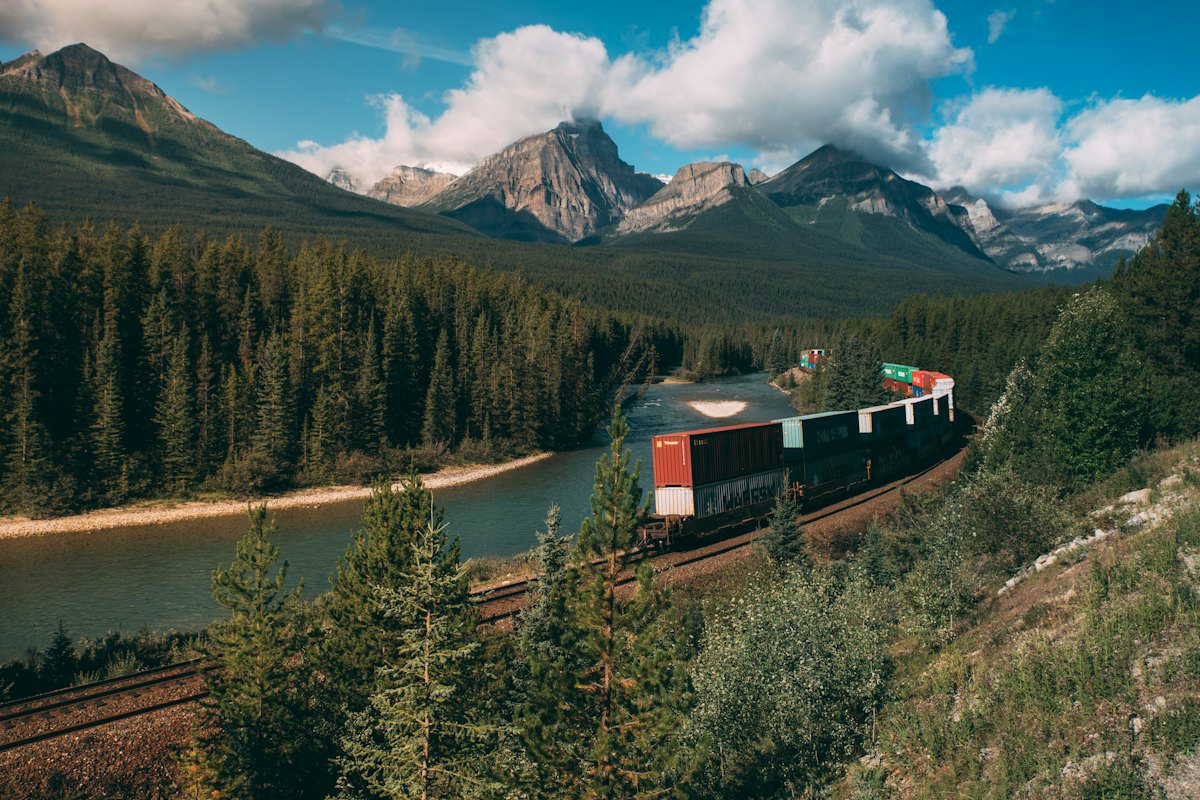
The route runs north and west through the valley, crosses the Ardle at Harrow, climbs over the moor in the small hours and descends to the estuary coast by dawn, arriving at Port Selwyn just after 7am. It is not a quick journey. The day train covers the same distance in under four hours. That, of course, is rather the point.
Dinner as the lights go down
The buffet car opens as the train pulls out and stays open until midnight. It is a narrow, wood-panelled carriage with eight tables, red lamps and a menu printed on a single card. On the night I travelled there were three hot dishes: a beef and ale stew, a mushroom and barley risotto, and a fish pie made with smoked haddock from the coast. All came with bread, and all cost under fifteen pounds. There is a short list of local beers, a red and a white wine, and a hot chocolate laced with something stronger that the steward recommended for anyone planning to sleep.
By the time the pudding arrived, a sticky toffee sponge, the lights of the city had given way to the dark of the valley, and the carriage had taken on the feeling of a small, travelling dinner party. A couple at the next table were heading to the coast for their anniversary. A woman opposite was going home after visiting her daughter and had done the trip, she said, more than fifty times.
“You do not take the sleeper to save time. You take it because you get to lose a night in the best possible way. I have never once arrived in a bad mood,” said Brenda Halloran, a retired teacher from Port Selwyn, finishing her tea.
The bunk, honestly assessed
The berths are small. A standard two-bunk cabin is a little under two metres long and just over a metre wide, with a fold-down washbasin, a ladder to the upper bunk and a narrow shelf for glasses and phones. Taller travellers will touch both ends of the mattress. Bedding is clean and heavy, the pillows firm, and there is a little kit with earplugs, an eye mask and a bottle of water.
Sleep comes in stretches. The train stops for long periods at Harrow and again at the top of the moor while freight passes, and the carriage sways gently on the descent. Light sleepers should book a lower bunk, which feels the movement less. Solo travellers can pay a supplement for a cabin to themselves, which is well worth it at quieter times of year.
Waking up to the estuary
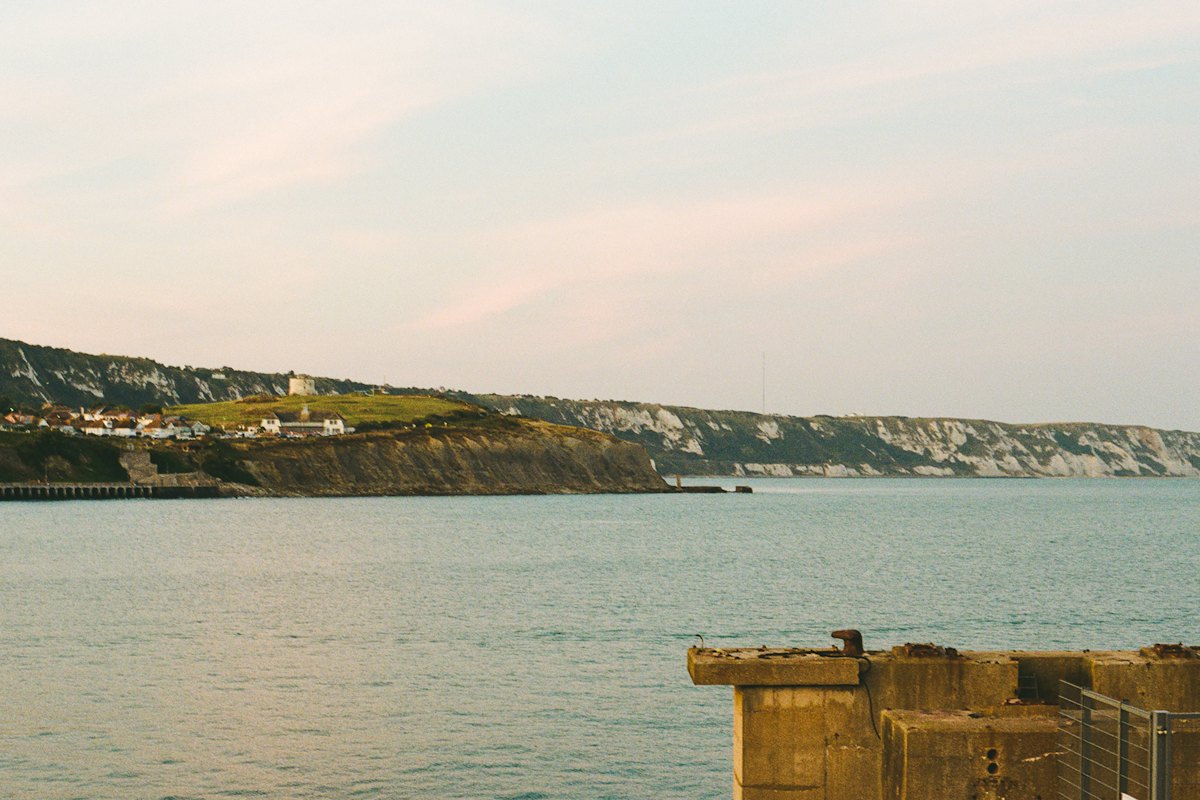
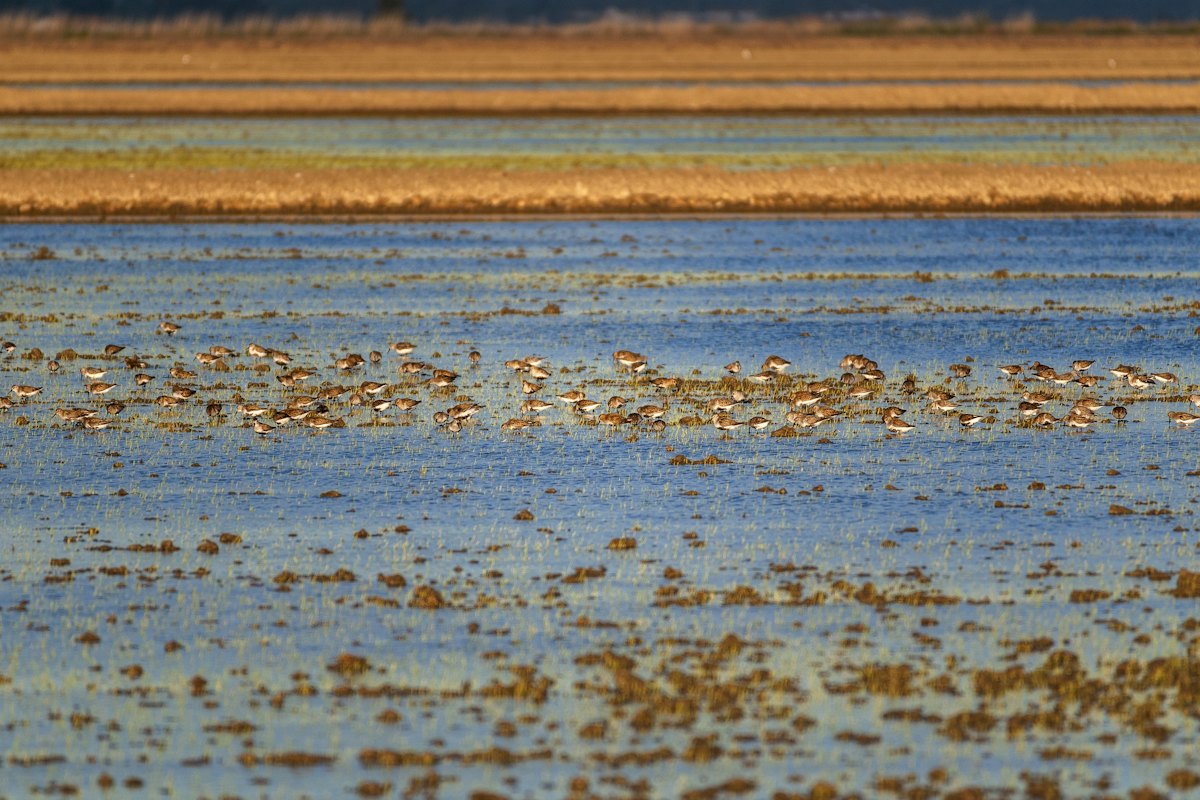
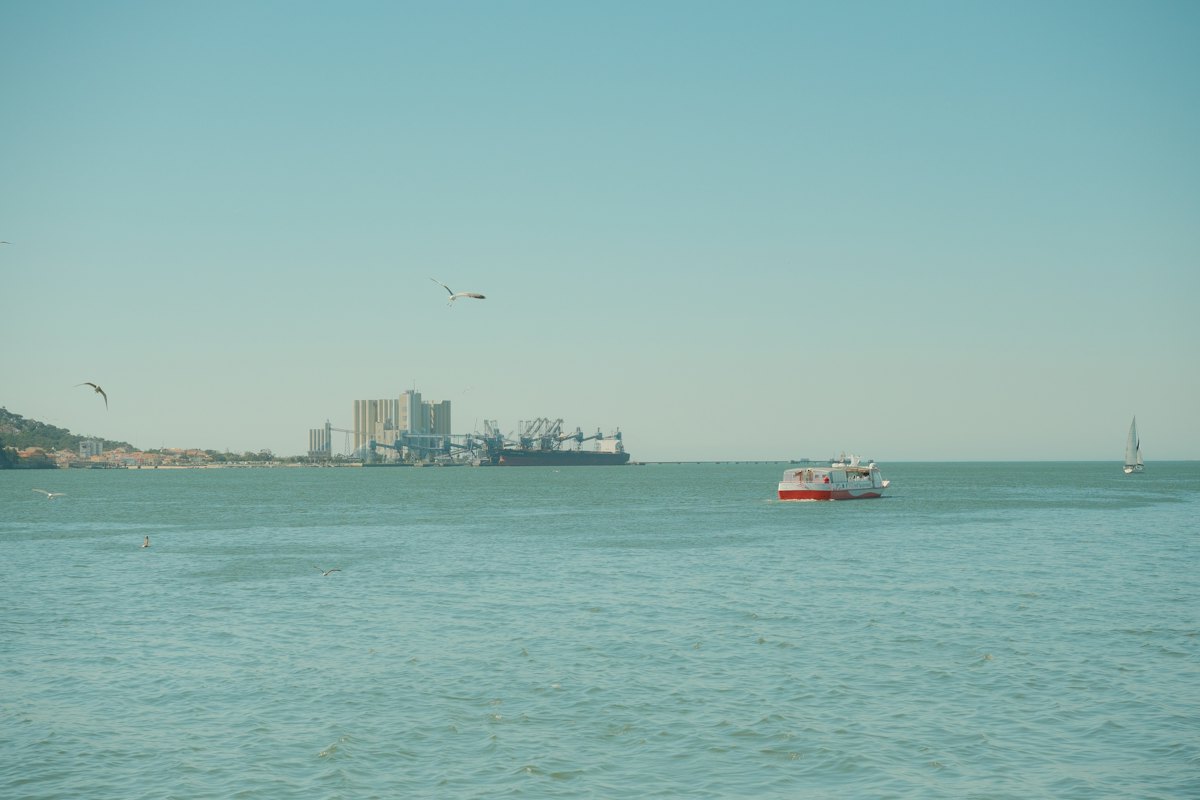
The reason to stay up, or to wake early, comes at around 6.30am. The line drops out of the hills and runs for twenty minutes along the northern shore of the estuary, so close to the water that wading birds lift off the mud as the train passes. In late autumn the sun rises over the far bank just as the carriages swing round the last bend, and the whole cabin turns orange for a few minutes.
The attendant knocks with breakfast at a quarter past six: a bacon roll or a porridge pot, orange juice and coffee in a paper cup. Eat it sitting up in the lower bunk with the blind fully raised and the estuary sliding by. By the time the train reaches the buffers at Port Selwyn, you will have spent ten hours travelling and feel as though you have already had a short holiday.
Fares start at 79 pounds one way in a shared cabin, rising to around 180 for a private cabin with dinner included. The service runs six nights a week, with no departure on Saturdays. Book at least a fortnight ahead for weekends.