Three days, forty miles and not one other boat.
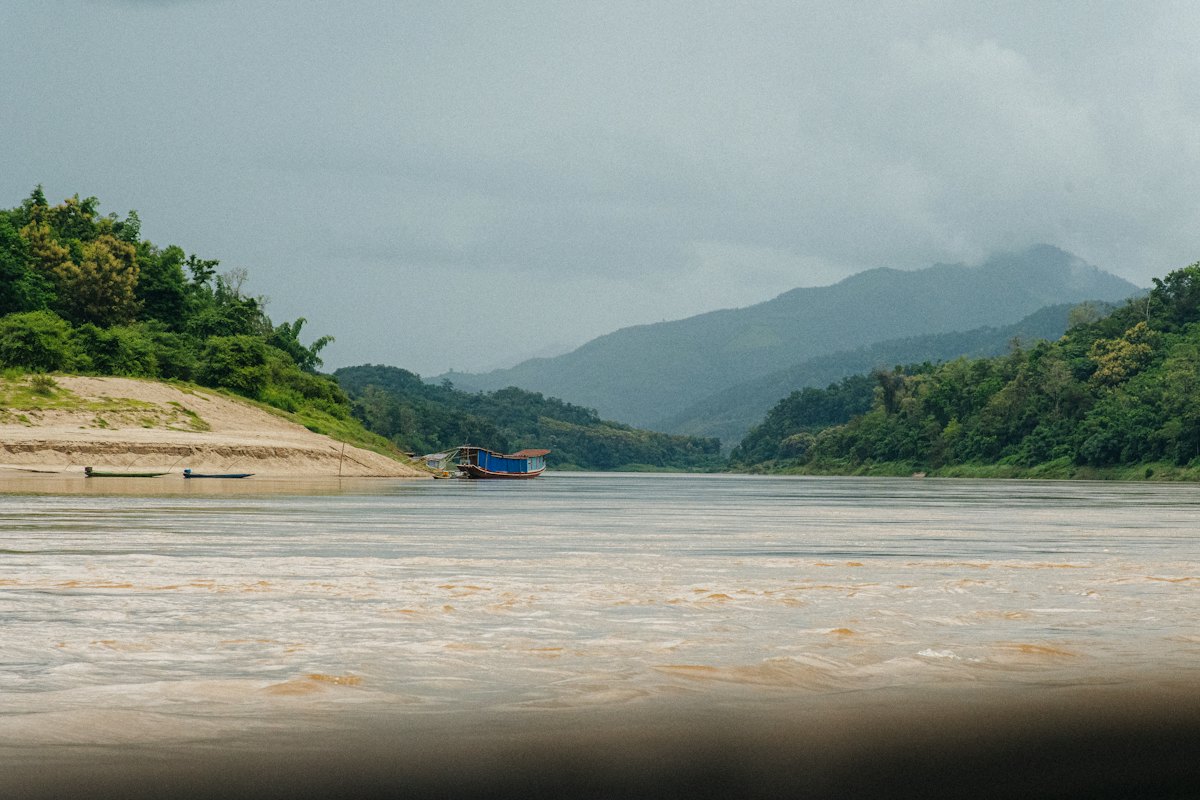
The put-in is a shingle bank below the old packhorse bridge at Thornby, a hamlet of nine houses and a phone box that now holds a defibrillator. At half past seven on a grey September morning the river is the colour of strong tea and moving at about walking pace. There is mist on the water and a heron on the far bank that watches the canoe being loaded with the weary patience of a lock-keeper. After that, for three days, the heron turns out to be the most sociable creature on the river.
The upper and middle Ardle, from Thornby down to the weir above Ardle town, is about forty miles of water that almost nobody paddles. The reasons are practical: there is no hire centre, access points are few and poorly signed, and the lower river towards Calder is where the clubs, the trip boats and the rowing eights all go. Up here the banks are farmland and alder wood, the villages turn their backs to the water, and the only traffic is the occasional angler who raises a hand without lifting his eyes from the float.
Day one: Thornby to Hollins Mill
The first stretch is the narrowest and the most fun. The river runs in tight bends between steep earth banks, with shallow riffles every few hundred metres where the canoe scrapes over gravel and has to be walked for a step or two. Kingfishers are everywhere – I counted eleven before lunch, though it may have been the same two showing off. By mid-afternoon the valley opens out, the current slows and the first of the old mill weirs appears. Hollins Mill has a portage path on the left bank, overgrown but usable, and a small grassy field beyond it where the farmer allows wild camping for a few pounds left in an honesty tin.
“We get maybe a dozen canoes a year,” said Marjorie Kettle, who farms the land at Hollins Mill with her son. “Every one of them arrives looking as if they have discovered a lost country. Which, to be fair, is about right.”
Kettle, who has lived beside the river for fifty-three years, says she remembers when the mill still turned and the water below it was full of children in summer. Now, she says, the young people drive to the lido in Calder. She was pleased, she added, to have someone use the field for its proper purpose, and she brought down a jug of milk in the morning without being asked.
Day two: the long middle
The second day is the longest, around seventeen miles, and the most meditative. The Ardle widens into slow, deep reaches lined with willow, and the paddling settles into a rhythm. There are two more weirs, at Coldwell and at the ruined dye works below Strake, both with clear portages. Between them there is very little except water, sky and cattle standing knee-deep in the shallows. A pair of otters crossed ahead of the bow just after noon, unbothered, and a buzzard followed the canoe for the best part of a mile.
There is nowhere to buy food on this stretch, so carry everything. The village of Strake has a pub, the Wheel, about ten minutes’ walk from the river, which serves food until eight and will let canoeists leave boats in its yard overnight if asked politely. It is worth the detour for the steak pie alone.
Day three: into Ardle
The final morning brings the first signs of the town – a sewage works, a footbridge, a dog walker or two – but the river stays lovely until almost the very end. The last few miles pass beneath the wooded slopes of Ardle Bank, where the current quickens again and the water turns clear over pale stone. The take-out is the slipway by the rugby club, just above the town weir, which should not be run under any circumstances.
A few practical notes for anyone tempted:
- Go between June and September; winter levels are unpredictable and the weirs become dangerous.
- Check the river gauge at Coldwell before setting off; anything above a metre is too high for comfort.
- Bring your own boat or arrange delivery with one of the Calder hire firms, which charge for collection.
- Carry a map – phone signal disappears for most of the second day.
Three days, forty miles and not one other boat. It is hard to think of another river this close to a city that can still say the same.