Two towns, one railway line and a lot of very good bread.
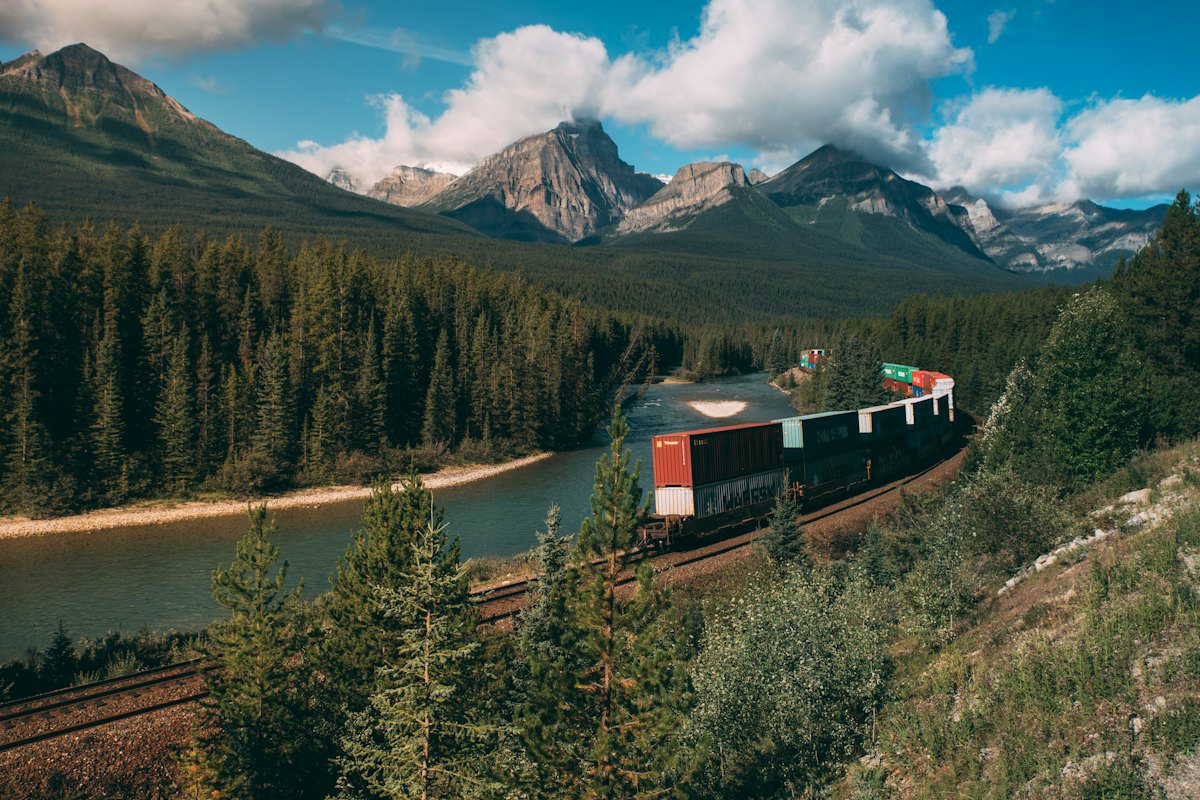
The 9.12 from Calder to the hill towns is two carriages long and in no hurry. It leaves from the far platform at the main station, crosses the River Ardle on the iron bridge, and then begins the long climb out of the valley through cuttings dripping with fern. For the first twenty minutes you can see the city behind you, then a bend, a tunnel, and it is gone. By the time the guard comes round with the ticket machine, the fields have turned to sheep and dry-stone walls.
There are two towns worth the journey, about a quarter of an hour apart on the same line: Kelderby, which sits on a shelf of hillside with a market square and a church too large for it, and Heddon Cross, higher up and smaller, where the line ends at a station with one platform and a bench facing the view. A weekend gives you time for both, provided you accept that nothing here happens quickly.
Saturday: Kelderby and its ovens
Kelderby has three bakeries, which is at least one more than a town of 2,400 people should be able to support. The oldest, Dunmore’s on the corner of the square, has been run by the same family since 1911 and still bakes in a brick oven fired before dawn. Arrive before ten and the queue spills onto the cobbles. The thing to buy is the hill loaf, a dense, dark sourdough made with a little rye and a lot of patience, which keeps for a week and tastes better on the third day.
Across the square, the newer Fold Bakery was opened four years ago by Lena Harcourt, who trained in the city and came home when her mother fell ill. Her cardamom buns sell out by eleven, and on Saturdays she bakes a cheese and onion bread with cheese from a dairy two miles up the road.
“People said there were already enough bakeries. But there is never enough good bread. The town just ate more.”
Harcourt said that with a shrug, sliding a tray into the window. After breakfast, walk it off on the path that leaves the churchyard and follows the old packhorse track along the ridge. It is a three-mile loop, muddy in places, with a view over the whole valley from the cairn at the top. Back in town, the Swan has rooms above the bar from £85 a night and a fire that is lit by four.
Sunday: the end of the line
The first train up to Heddon Cross leaves Kelderby at 10.40 on Sundays. The village is little more than a street of grey stone cottages, a chapel turned into a café and a pub, but the setting is extraordinary: on a clear day you can see all the way to the headland and the sea beyond Port Selwyn. The café, the Chapel Room, serves soup and bread from a third bakery – a single-oven operation run from a farmhouse kitchen by a retired schoolteacher – and on Sundays a roast that needs to be booked.
From the station, a signed path leads down through beech woods to a waterfall, the Heddon Force, which drops about fifteen metres into a pool that is popular with swimmers in summer and far too cold for anyone sensible in November. Allow an hour and a half there and back.
Getting there and what to take home
Trains run every two hours from Calder, and a weekend rover ticket costs £14 and covers unlimited travel on the line. Check the last train down on Sunday: it leaves Heddon Cross at 5.15, and missing it means a taxi from Kelderby that will cost more than the hotel. Take a bag with room in it. You will want to bring bread home – a hill loaf from Dunmore’s, a bag of buns from Fold, perhaps a farmhouse loaf if the Chapel Room has any left – and the city’s bakeries, good as they are, will seem a little hurried for a week or so afterwards.