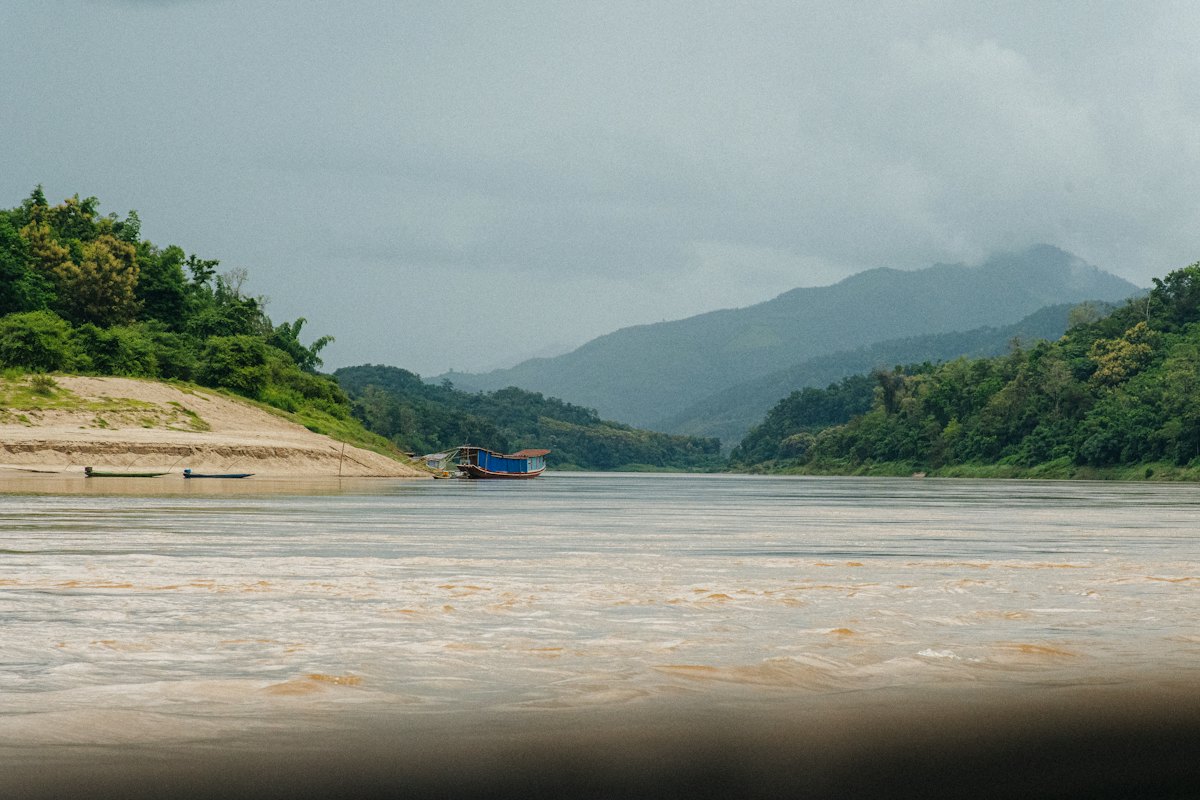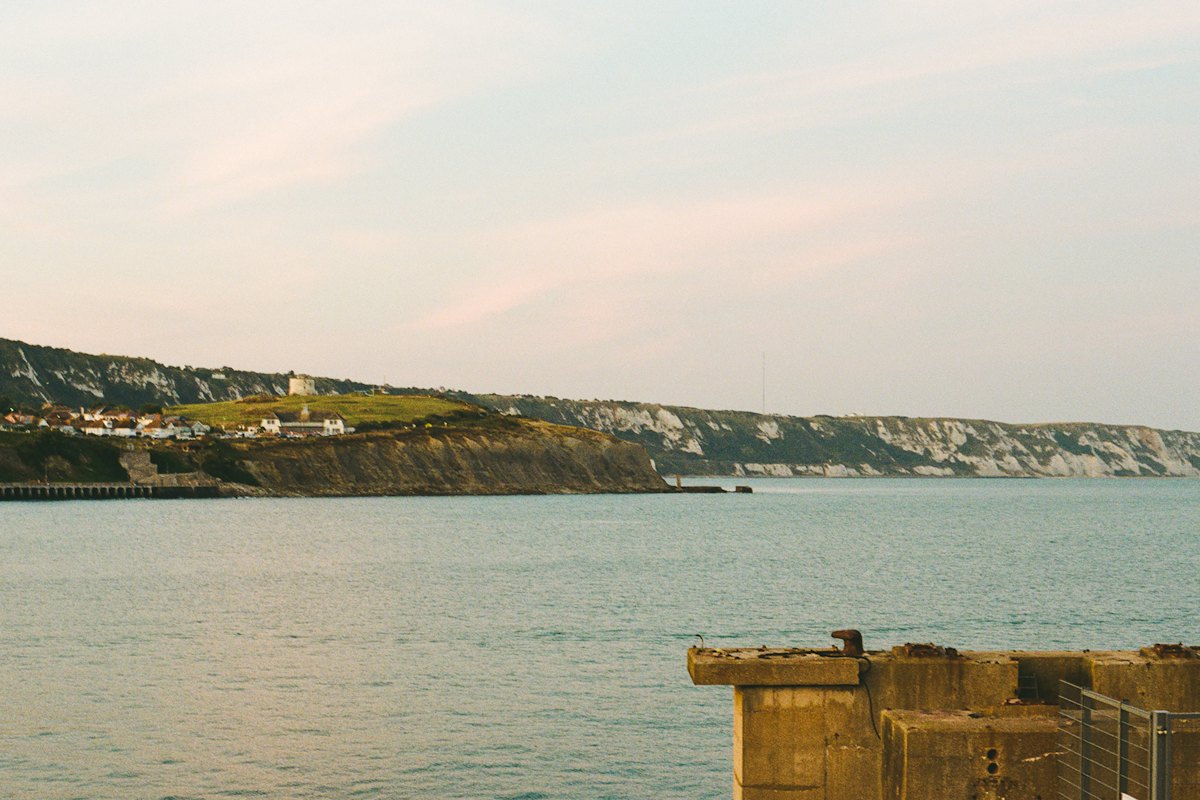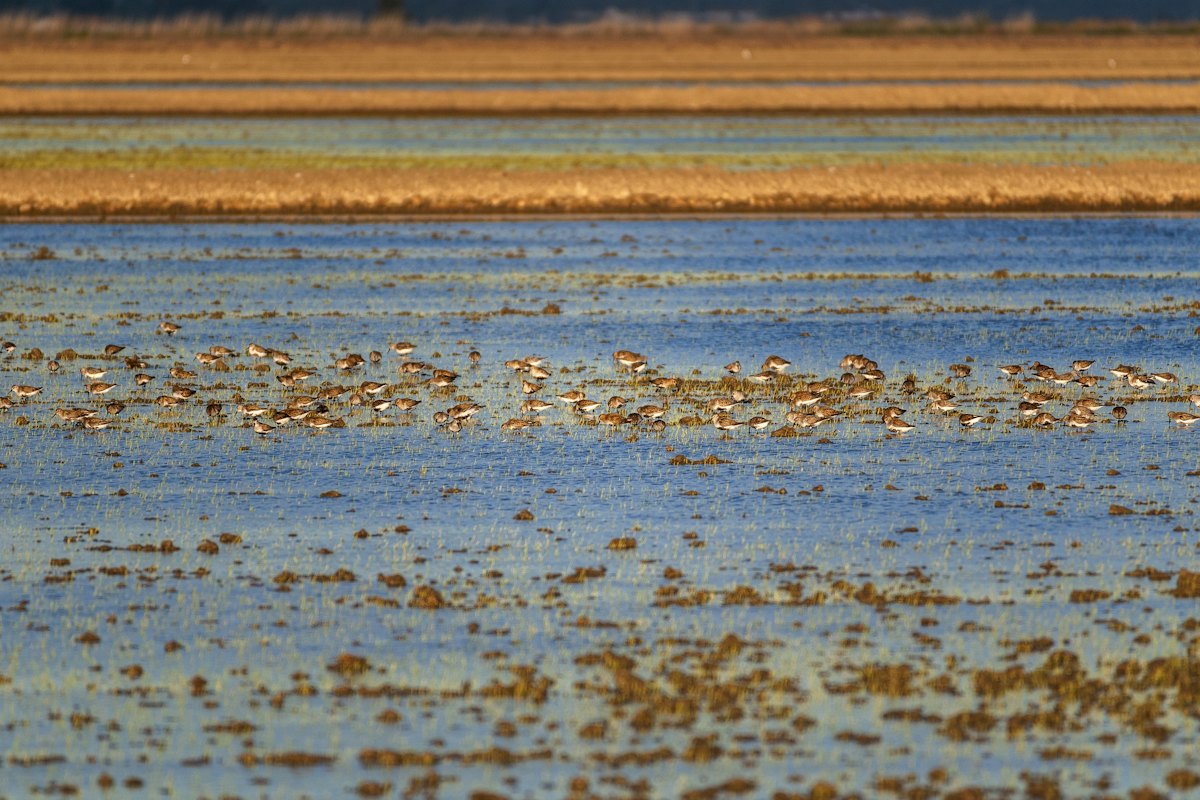
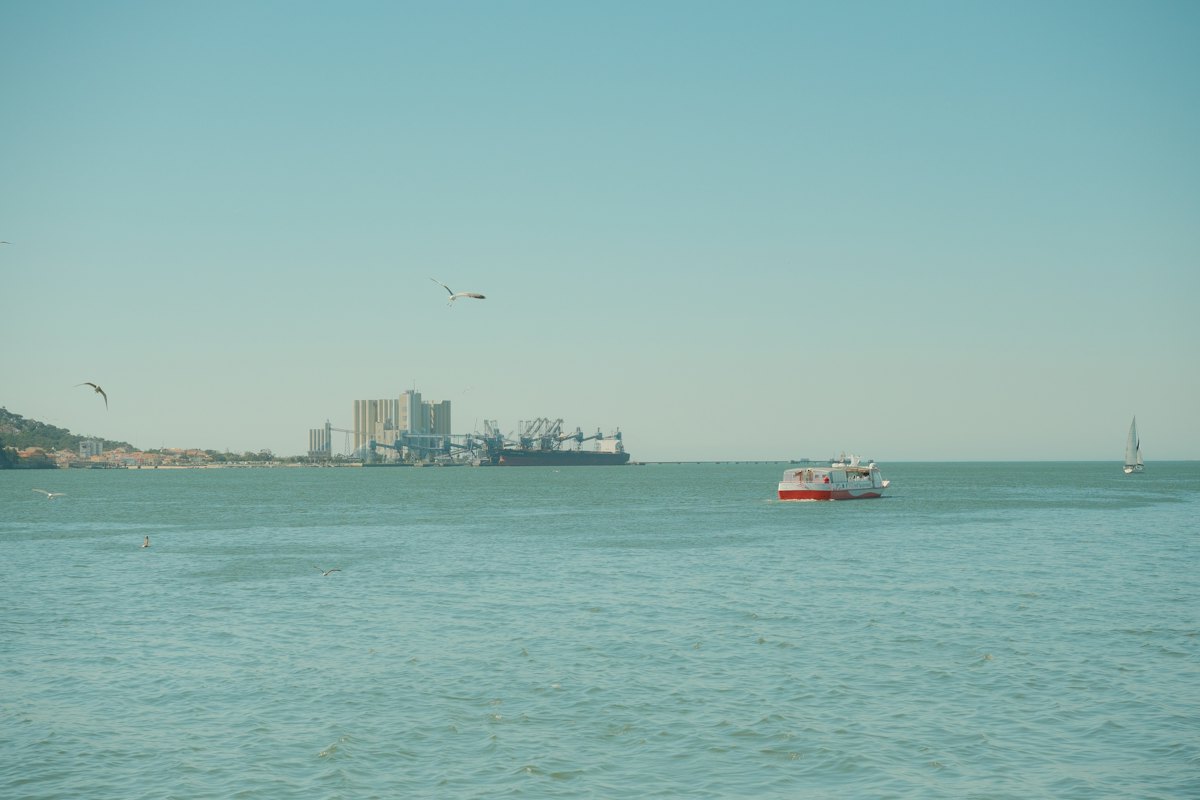
How to reach six islands in a week without a car.
The six inhabited islands strung out across the Strait off Port Selwyn are often treated as separate destinations, each reached by a dedicated drive to the ferry terminal and a day trip back. Taken together, by bus and boat alone, they make one of the most rewarding week-long journeys in the region. You will not need a car at any point, and you will probably enjoy the trip more without one.
The key is the island rover ticket, which costs 96 pounds for seven days and covers every inter-island ferry, the island bus network and the coastal bus from Calder Central to the ferry terminal. Bikes travel free on most boats. Children under twelve go half price.
The route, island by island
Most travellers move outwards and then loop back, which follows the way the ferry timetable is built. A practical plan looks like this:
- Day one: coastal bus to Port Selwyn, then the 11.20 ferry to Holme, the largest island, for two nights.
- Day three: the short crossing to Sallow, a flat island of dunes and birdlife, for one night.
- Day four: the morning boat to Inchmarr, the most remote, for one night.
- Day five: back via Little Torr, a car-free island of fewer than sixty residents, for a single night.
- Day six: on to Cray, with its harbour village and lighthouse, for one night.
- Day seven: an hour on Brannock, the island closest to the mainland, before the afternoon ferry home.
Holme deserves its two nights. The island bus runs a full circuit every two hours, stopping at the castle ruins, the weaving centre and the long white beach at Tollan Bay. It is easy to spend a whole day hopping on and off with a picnic, and the timetable is printed on a single card that you will soon know by heart.
Where the plan can go wrong
The outer islands depend on smaller boats that do not sail in strong winds. Between October and March, cancellations are common, and even in summer a day lost to weather is not unusual. Build in a spare day if you can, and always check the ferry operator’s morning updates before checking out of your accommodation.
“Visitors who plan for every connection to work perfectly tend to have a stressful week. The ones who keep an evening free and treat a cancellation as an extra day on an island have a wonderful time,” said Torvald Macaskill, who has skippered the Inchmarr boat for fifteen years.
Mr Macaskill also advises sitting on the open deck for the crossing to Inchmarr, the longest of the week at an hour and forty minutes. Seals are almost guaranteed off the north point, and in late spring there is a fair chance of seeing porpoises near the reef.
Sleeping and eating without a car
Accommodation is the main constraint. Inchmarr and Little Torr have only a handful of guest rooms each, and they fill months in advance for July and August. Book those two nights first and plan the rest of the week around them. Cray has a youth hostel in the old coastguard station, and Holme has a good choice of guest houses within walking distance of the pier.
Food on the smaller islands is limited, so carry snacks and check the opening hours of the one shop or café. On Little Torr, the community shop opens for two hours in the morning and two in the late afternoon, and the only evening meal is served at the village hall on Wednesdays and Saturdays. Elsewhere, look out for smoked fish, island cheese and the oatcakes sold at the Holme weaving centre.
By the time the final ferry noses back into Port Selwyn, you will have spent perhaps nine hours on the water and many more on buses that stop at every farm gate. It is slow travel in the most literal sense, and that is exactly what makes it worth doing.